
Kingbull Hunter vs Kingbull Rover
On the numbers that decide this pair, the Kingbull Hunter is 14.9 kg lighter than the Kingbull Rover. Everything else is below, including where it loses.
Range is our estimate under the reference ride, not the manufacturer's claim. Cost is over 5 years at 3,000 km a year, on the same formula the cost-of-ownership calculator runs. How we work this out
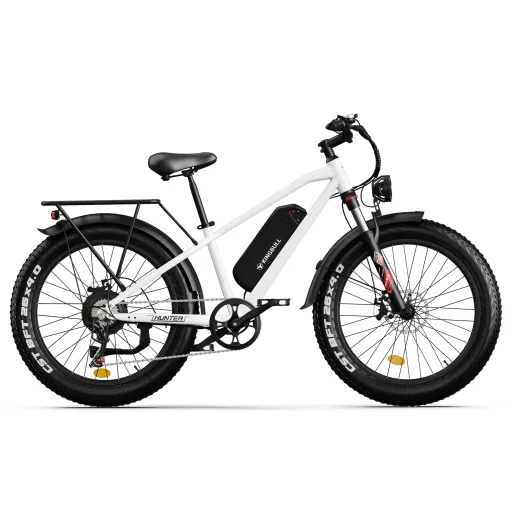
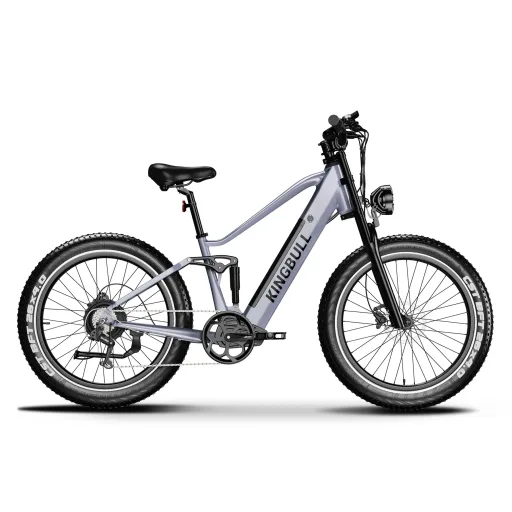
| Spec | Kingbull Hunter | Kingbull Rover |
|---|---|---|
| Estimated range | 53 km | 60 km |
| Battery | 720 Wh | 840 Wh |
| Weight | 22.7 kg | 37.6 kg |
| Motor torque | 80 Nm | 80 Nm |
| Top speed | 45 km/h | 45 km/h |
| Price | $899 | $1,199 |
| 5-year cost | $1,719 | $1,946 |
Where each one wins
- Kingbull Hunter is 14.9 kg lighter.
- Kingbull Rover is 120 Wh more battery.
- Kingbull Rover is 7 km further on range.
The Kingbull Hunter leads on 1 of these, the Kingbull Rover on 2. Neither sweeps it, so the choice comes down to which of those you actually use.
Who each one is for
Kingbull Hunter
Suits you if you want:
- 80 Nm of torque, which is steep-hill territory
- fast class, which keeps up with city traffic
- rated to 181 kg of rider and luggage together
- about 53 km estimated, which covers a 26 km each-way commute
What it asks in return:
- fast class, so it is registered and helmeted in most places
Kingbull Rover
Suits you if you want:
- 80 Nm of torque, which is steep-hill territory
- fast class, which keeps up with city traffic
- rated to 200 kg of rider and luggage together
- about 60 km estimated, which covers a 30 km each-way commute
What it asks in return:
- 37.6 kg, which is a bike you park rather than carry
- fast class, so it is registered and helmeted in most places
Each line above is read straight from the specification: torque, weight, payload, battery and our range estimate. Nothing here is a preference, and neither bike is being recommended over the other.
What each one costs to own
Over 5 years the Kingbull Hunter costs about 210 EUR less to own, once purchase, charging, servicing, a battery replacement where one is due, and resale are all counted.
That figure moves mostly on the battery. The Kingbull Hunter covers about 38,400 km before its pack is due for replacement; the Kingbull Rover, about 44,800 km. Ride less than that and the replacement never enters the sum.
| Over five years | Kingbull Hunter | Kingbull Rover |
|---|---|---|
| Purchase price | $899 | $1,199 |
| Charging | $68 | $68 |
| Servicing | $972 | $972 |
| Battery replacement | ||
| Resale value | $-219 | $-293 |
| Total | $1,719 | $1,946 |
Run these numbers on your own mileage
Which one to buy
- Pick the Kingbull Rover if you ride to the edge of the battery and dislike planning around it.
- Pick the Kingbull Rover if you would rather charge less often than carry less weight.
- Pick the Kingbull Hunter if you carry the bike up steps, onto a train, or into a flat.
- Pick the Kingbull Hunter if the five-year total is what you are optimising.
Verdict
On the measured axes the Kingbull Hunter is the better buy, and the Kingbull Rover needs a reason of its own: a colour, a frame, a shop you trust, a price that moves. None of those are in our numbers, and all of them are legitimate.
Range here is an estimate under one reference ride, not a measurement. Yours will differ with terrain, weight, tyres and weather, which is what the range calculator is for.
Want price alerts for these two?
We are building daily price tracking. Leave your email and we'll tell you when alerts for this pair go live. Nothing else.