
Cargo e-bikes carry up to 250 kg, but their real cost depends on your mileage. Here is what the specs say and what to expect to pay over five years.
What Is a Cargo E-Bike?
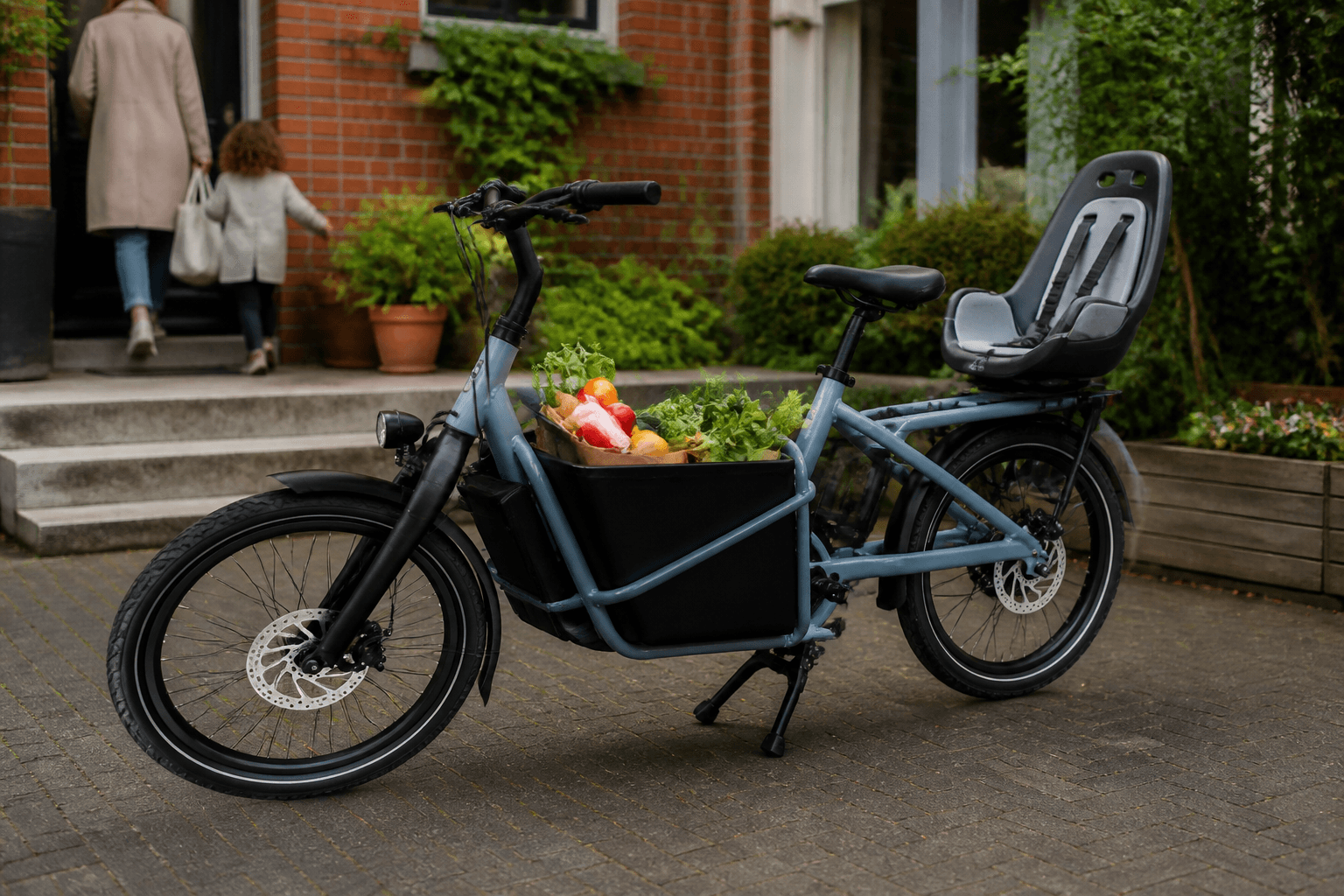
A cargo e-bike is built to haul heavy loads. The catalogue has 26 cargo models out of 505 total. They range in price from 799 USD to 3599 USD. Payload ratings vary, with the highest at 250 kg. Most have a longer wheelbase and a sturdy frame to handle the extra weight.
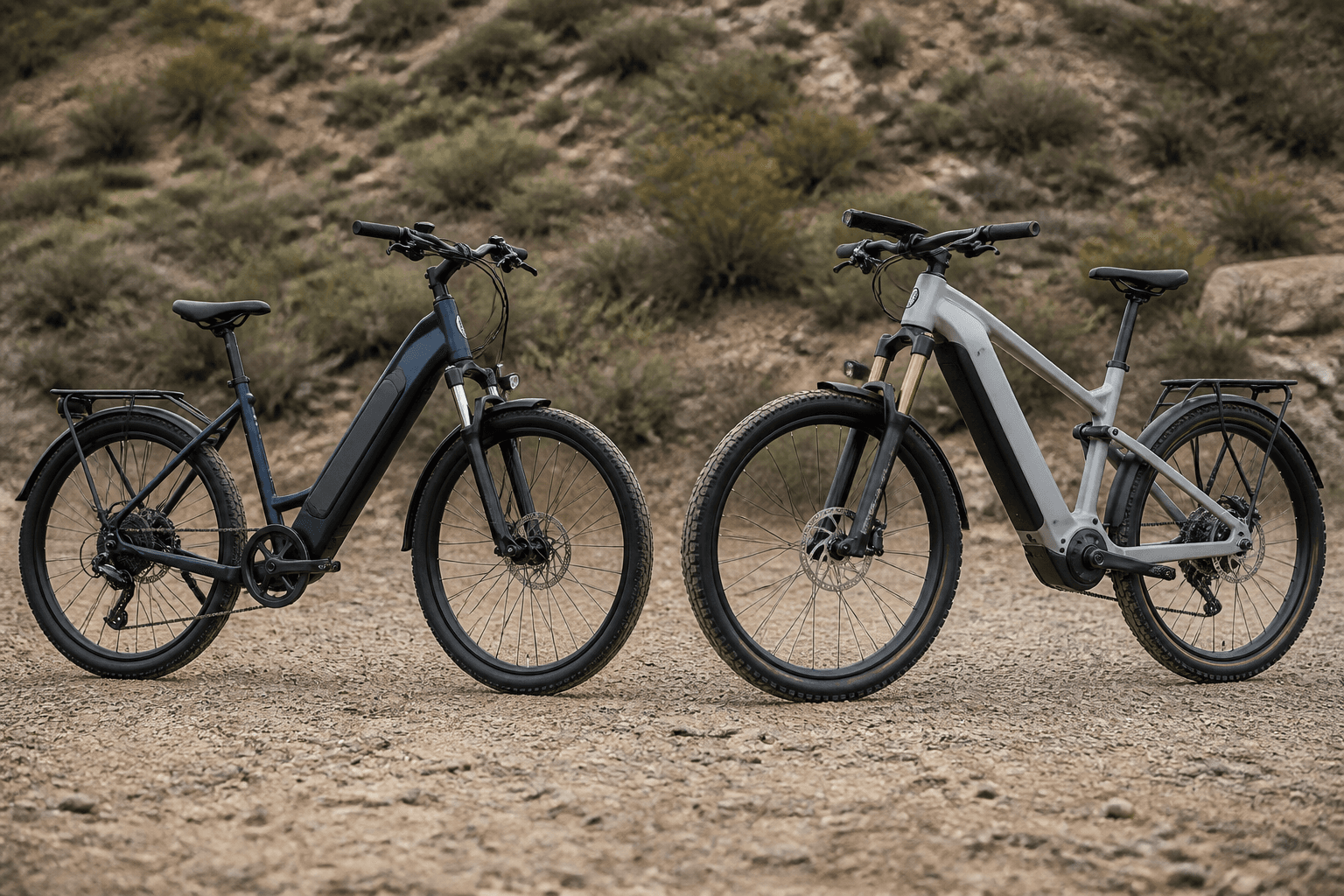
Cargo bikes are not one type. Some look like longtails, others like box bikes. The specifications matter more than the label. Check the payload rating, battery size, and motor torque. These numbers tell you what the bike can do.
The median cargo bike weighs 29.5 kg, but some are heavier. The Mukkpet Breeze weighs 41.7 kg. The HIMIWAY Big Dog weighs 39.9 kg. Heavier bikes need more power to move, so battery range suffers.
How Much Can They Carry?
Payload ratings among the 26 cargo bikes range from modest to generous. The Fiido M1 Pro, the cheapest at 799 USD, has a payload rating that is not in the top tier. The Mukkpet Breeze at 1499 USD sits in the middle. The HIMIWAY Big Dog at 3599 USD is the most expensive and likely has a higher rating.
The highest payload rating in the catalogue is 250 kg, on the Riding Time GT53. That bike is priced at 1068 USD, making it a strong value for heavy hauling. But a high rating does not mean the bike is easy to ride. Weight affects acceleration, braking, and range.
| Bike | Price (USD) | Payload (kg) | Battery (Wh) | Estimated Range (km) |
|---|---|---|---|---|
| Fiido M1 Pro | 799 | Not stated | 614 | 41 |
| Mukkpet Breeze | 1499 | Not stated | 720 | 46 |
| HIMIWAY Big Dog | 3599 | Not stated | 720 | 46 |
| Riding Time GT53 | 1068 | 250 | 1123 | 70 |
Only 493 of the 505 bikes in the catalogue state a payload rating. That means 12 do not. For cargo bikes, a missing rating is a red flag. You need to know the limit to use the bike safely.
How Far Can They Go on a Charge?
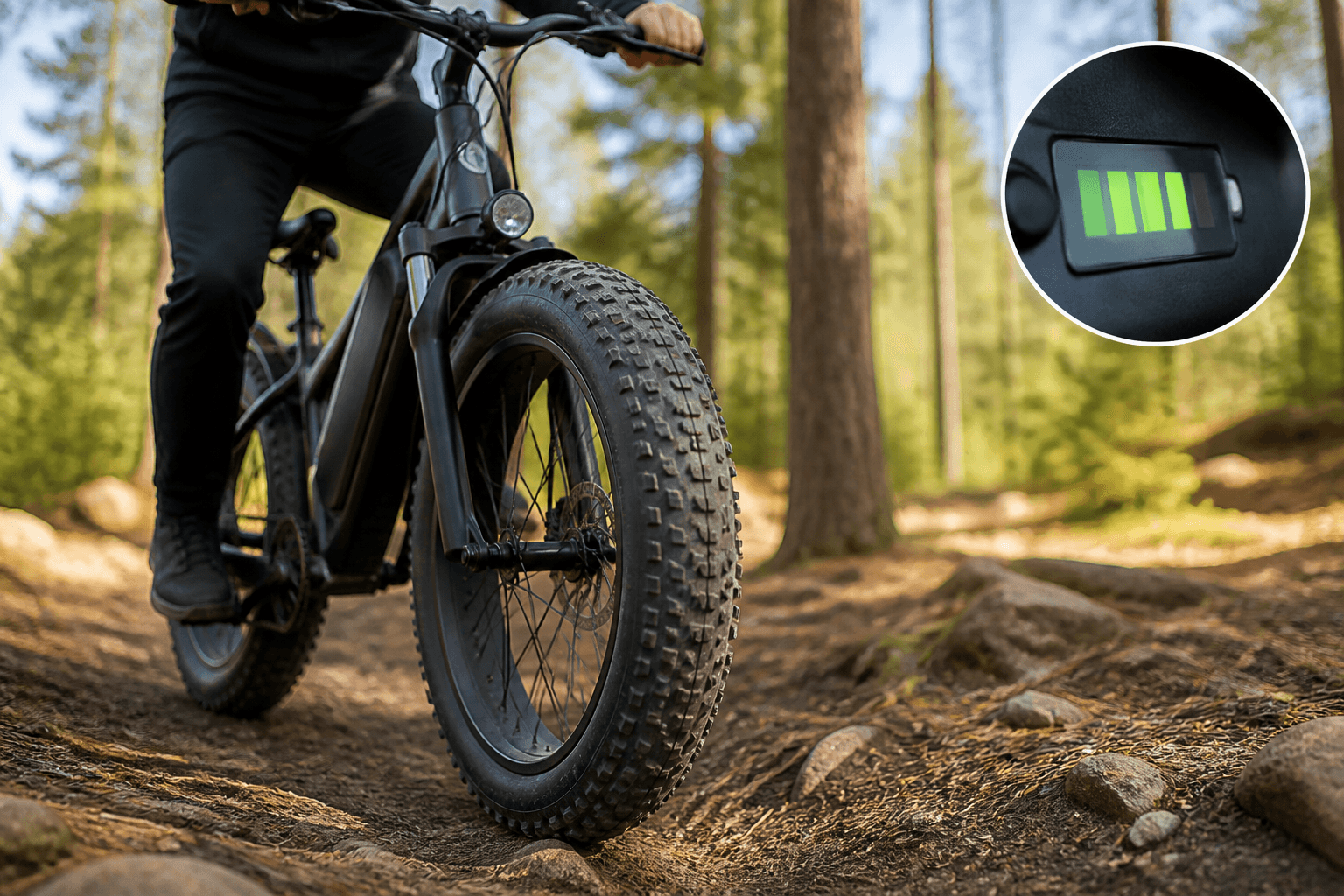
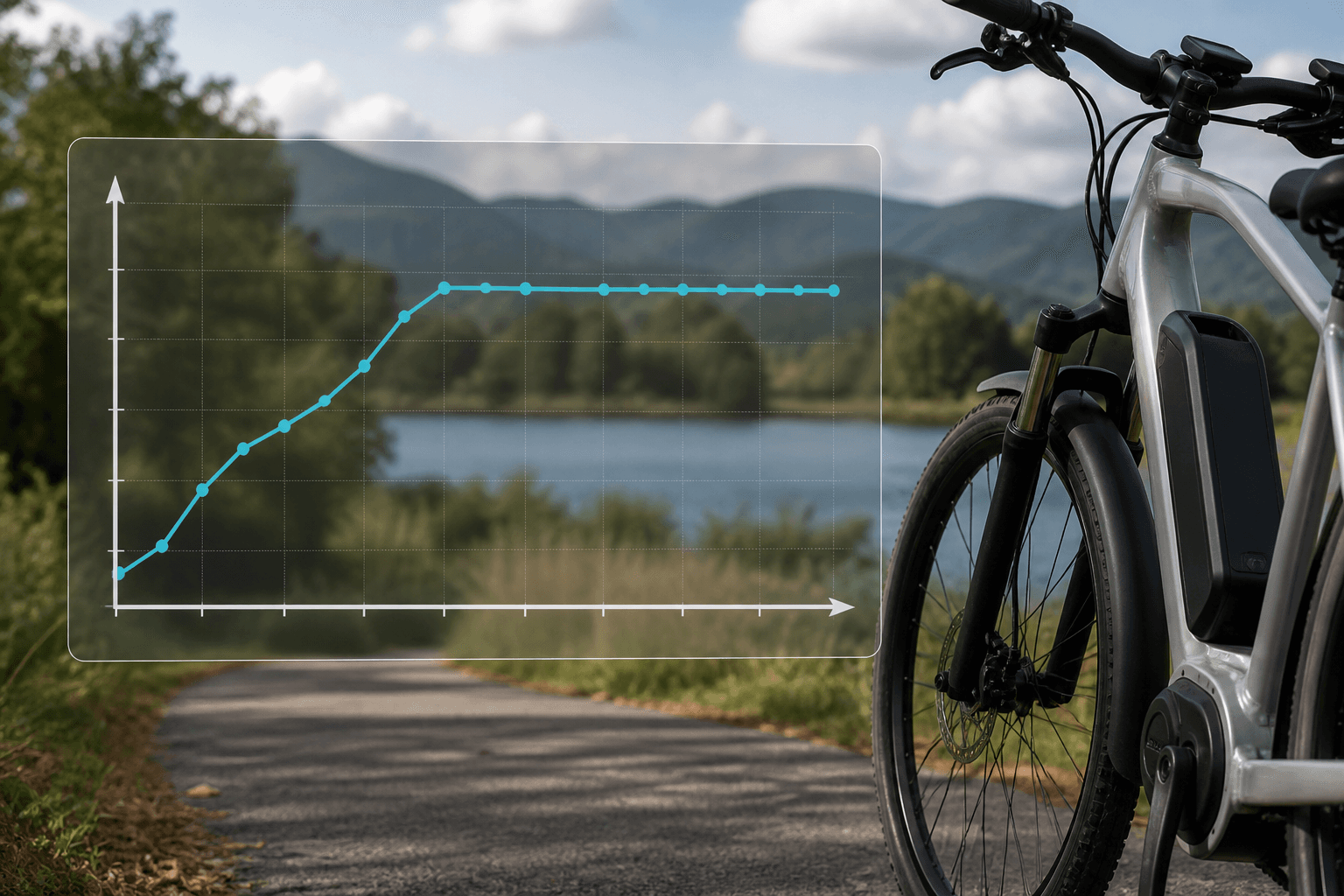
Range depends on battery size and riding conditions. The median battery in the catalogue is 720 Wh. Under easy riding, a 720 Wh battery gives about 94 km, with a band of 82 to 105 km. Ordinary riding drops that to 48 km. Hard riding gives only 20 km.
Cold weather cuts range. The same 720 Wh battery in the cold gives 40 km instead of 48. Knobby tyres reduce it to 42 km, while road tyres give 52 km. Your weight also matters. The range formula adjusts by 1 percent for every 5 kg you are above or below 80 kg.
Cargo bikes often have larger batteries. The Emoko C94 has a 1680 Wh battery and an estimated range of 109 km, the longest in the catalogue. But a big battery adds weight and cost. The median battery is 720 Wh, which is enough for most commutes.
What Do They Cost to Run?
The cost of running a cargo e-bike includes electricity, maintenance, and servicing. Electricity is cheap. Charging a median 720 Wh battery once costs about 0.20 EUR. Riding 100 km costs about 0.42 EUR in electricity. Over a year, riding 5000 km costs about 21 EUR.
Maintenance and servicing cost more. The formula uses 0.04 EUR per km for maintenance and 100 EUR a year for servicing. Servicing depends on the motor type. Hub motors cost 120 EUR a year, mid-drives 180 EUR. A motor is counted as mid-drive from 60 Nm of torque.
Batteries wear out. A battery lasts about 800 full cycles. For a median 720 Wh battery, that is 38400 km. Replacing a 720 Wh pack costs about 864 EUR. That is a significant expense, but it happens only after many years of use.
Five-Year Cost of Ownership
The five-year cost of a median bike is 1573 EUR. That includes the purchase price, charging, servicing, and resale value. The breakdown is: charging 63 EUR, servicing 600 EUR, and resale value 293 EUR. The cost per km is 0.10 EUR.
Your total depends on the bike price and how much you ride. A more expensive bike costs more upfront but may have a higher resale value. The resale formula is 0.6 times e to the power of minus 0.18 times n years, floored at 0.15. After five years, a 1203 EUR bike is worth about 293 EUR.
Financing adds to the cost. A 1203 EUR bike over 24 months at 0 percent APR costs 50 EUR a month with no interest. At 9.9 percent APR, the monthly payment is 55 EUR, and the total interest is 128 EUR. Use our finance calculator to see your options.
Can a Cargo E-Bike Replace a Second Car?
For many households, a cargo e-bike can replace a second car for local trips. The savings come from not driving. If you ride 50 km a week instead of driving, you save about 486 EUR a year. A 1203 EUR bike pays back in 30 months. At 100 km a week, savings are 1072 EUR a year, and payback is 13 months. At 200 km a week, savings are 2245 EUR a year, and payback is 6 months.
These numbers assume you replace car trips with bike trips. The car cost per km is 0.06 EUR for maintenance, 0.12 EUR for depreciation, and 0.02 EUR for parking, totaling 0.20 EUR per km. The e-bike cost is lower, but you still pay for electricity and maintenance.
A cargo bike can carry groceries, kids, or equipment. The Fiido M1 Pro at 799 USD is the cheapest cargo bike, but it has a smaller battery and range. The Mukkpet Breeze at 1499 USD is a mid-priced option with a 720 Wh battery. The HIMIWAY Big Dog at 3599 USD is the most expensive, but it may have a higher payload rating.
What to Look For in a Cargo E-Bike
Start with the payload rating. You need to know the maximum weight the bike can carry. Look for a rating that covers your body weight plus your typical cargo. The highest is 250 kg, but most are lower.
Battery size matters for range. A larger battery gives more range but adds weight and cost. The median battery is 720 Wh. For cargo use, consider at least 720 Wh to avoid frequent charging. The Emoko C94 has a 1680 Wh battery, giving 109 km of range.
Motor torque is important for hauling heavy loads, especially uphill. The highest torque in the catalogue is 180 Nm on the Coswheel R6000. A mid-drive motor, counted from 60 Nm, provides better weight distribution. Check the torque figure if you plan to carry heavy cargo regularly.
Frame and Weight
Cargo bikes are heavy. The median bike weighs 29.5 kg, but cargo models can be heavier. The Mukkpet Breeze weighs 41.7 kg. The HIMIWAY Big Dog weighs 39.9 kg. Consider where you will store the bike and whether you need to lift it.
A sturdy frame is essential for carrying heavy loads. Look for a bike with a reinforced rear rack or a dedicated cargo area. The Riding Time GT53 has a payload rating of 250 kg, indicating a strong frame.
Real Examples from the Catalogue
The Fiido M1 Pro is the cheapest cargo bike at 799 USD. It has a 614 Wh battery and an estimated range of 41 km. It is a good entry-level option if you have light cargo needs.
The Mukkpet Breeze at 1499 USD is a mid-priced option. It has a 720 Wh battery and a 46 km estimated range. It weighs 41.7 kg, so it is not light, but it offers a balance of price and capability.
The HIMIWAY Big Dog at 3599 USD is the most expensive cargo bike. It has a 720 Wh battery and a 46 km estimated range. The higher price may reflect a stronger frame or better components, but the specifications do not show a higher payload rating.
The Riding Time GT53 at 1068 USD has the highest payload rating of 250 kg. It also has a large 1123 Wh battery and a 70 km estimated range. This bike stands out for heavy hauling at a reasonable price.
How to Decide If a Cargo E-Bike Is for You
First, estimate your weekly mileage. If you drive less than 50 km a week, the payback period may be long. Use our savings calculator to compare costs. If you ride more, the savings add up quickly.
Second, check your local rules. Some places have restrictions on e-bike motor power or speed. The fast class, 45 km/h, includes 167 bikes in the catalogue. Check your local regulations to see what is allowed on bike paths and roads.
Third, consider the total cost of ownership. Use our cost calculator to see the five-year total for a specific bike. Remember to include charging, servicing, and battery replacement.
What to Do Next
Start by using the cost-of-ownership calculator to see what a cargo bike would cost you over five years. Then browse the catalogue to compare payload ratings, battery sizes, and prices. Finally, check local regulations to ensure the bike you choose is legal where you ride.
A cargo e-bike can replace a second car for many households, but the numbers depend on your situation. Do the math with our calculators, and you will know if it is worth it.
Frequently asked questions
What is the highest payload rating among cargo e-bikes?
The highest payload rating in our catalogue is 250 kg, found on the Riding Time GT53. That bike is priced at 1068 USD. Most cargo bikes have lower ratings, so check the spec before loading up.
How much does it cost to charge a cargo e-bike battery?
Charging a median 720 Wh battery once costs about 0.20 EUR at 0.28 EUR per kWh. Over five years, charging a median bike adds up to 63 EUR, assuming typical use. Your actual cost depends on your electricity tariff and how often you charge.
Can a cargo e-bike replace a second car?
It depends on your trips. If you ride 100 km a week instead of driving, you save about 1072 EUR a year. A 1203 EUR bike pays back in 13 months. For shorter weekly distances, the payback takes longer, so use our savings calculator to see your numbers.
What is the five-year cost of a typical cargo e-bike?
For a median-priced bike, the five-year total is about 1573 EUR. That includes purchase price, charging, servicing, and resale value. The cost per km works out to 0.10 EUR. Your total depends on the bike price, your mileage, and local electricity rates.
How long does a cargo e-bike battery last?
A battery lasts about 800 full cycles. For a median 720 Wh battery, that is roughly 38400 km of riding. Replacing a 720 Wh pack costs about 864 EUR. Actual lifespan varies with charging habits and temperature.