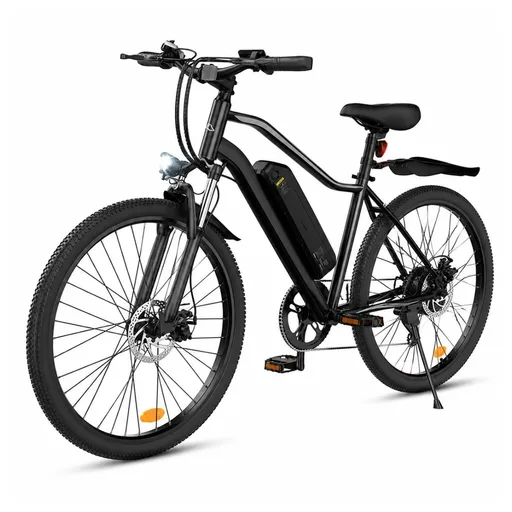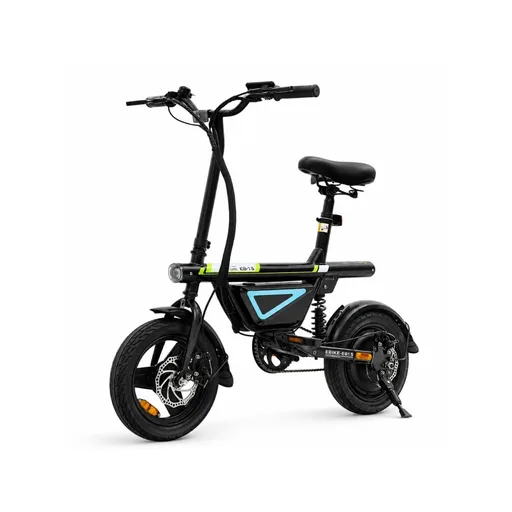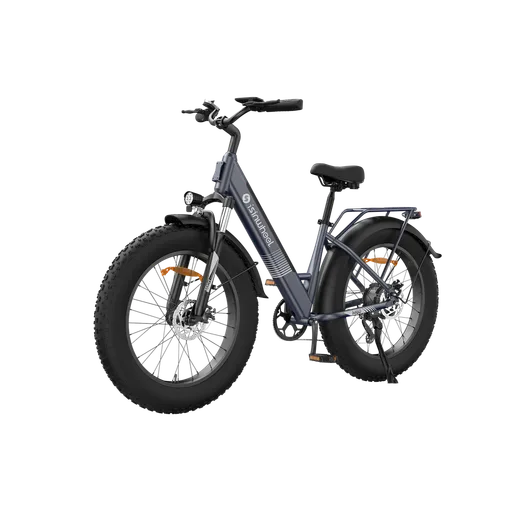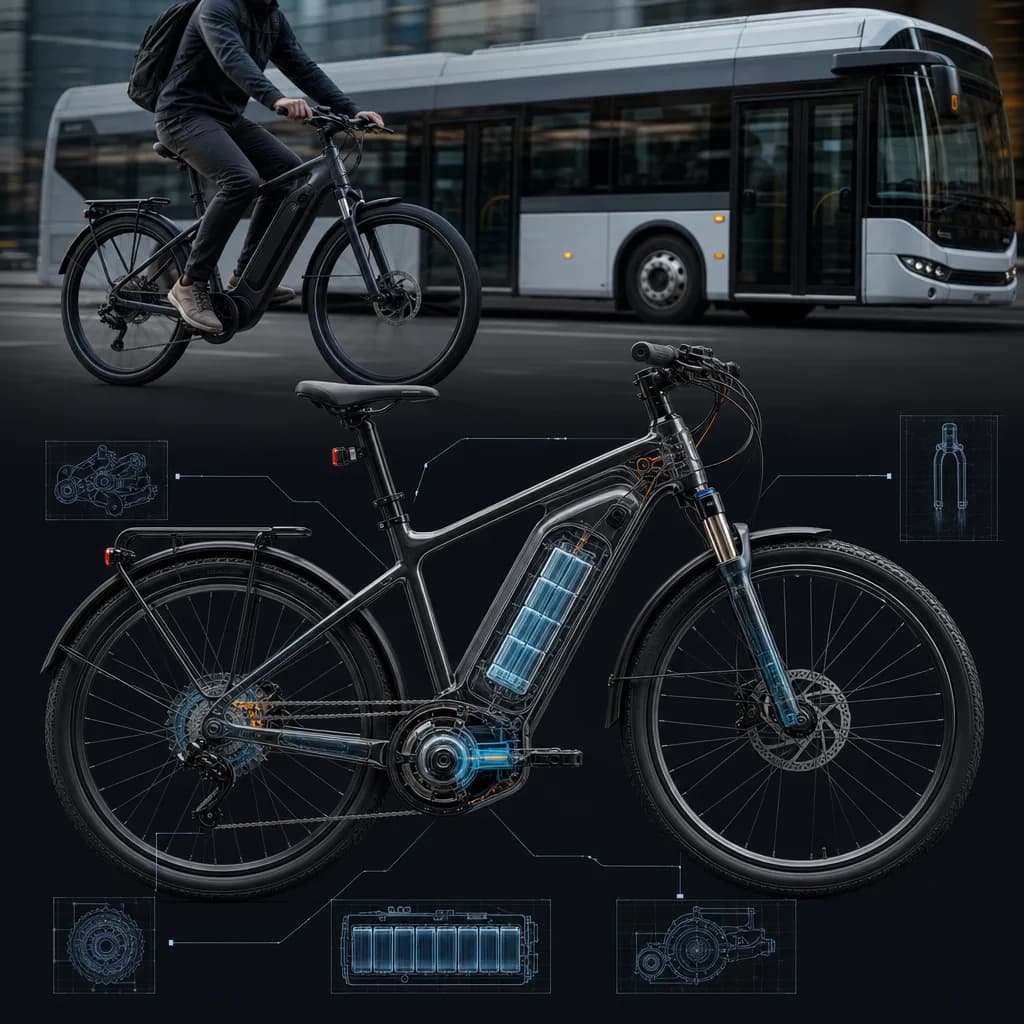
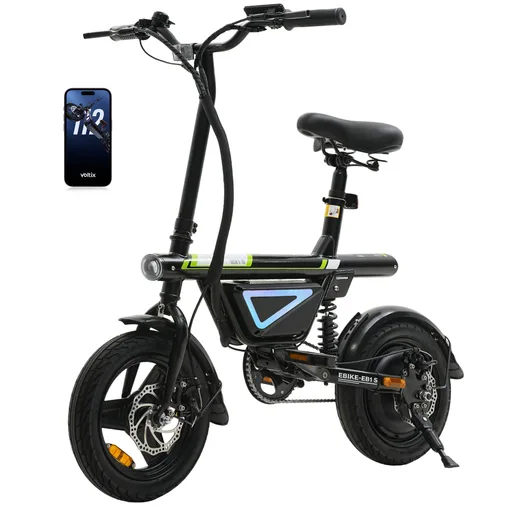
The isinwheel U1 is a commuter e-bike with a 432 Wh battery. That figure sits 40% below the median for its type, which is 720 Wh. The bike weighs 24 kg, which is 13% below the median of 27.7 kg. So the U1 gives up battery capacity and keeps a lighter frame.
You get a 250 W rated motor and a top speed of 25 km/h. The manufacturer claims 50 km of range. MathBikes estimates 31 km, which is 38% below that claim. The U1 suits a short daily commute where you can charge at both ends. It does not suit long rides or riders who want to skip charging.
What the numbers say
| Spec | This bike | Median for its type |
|---|---|---|
| Battery | 432 Wh | 720 Wh |
| Weight | 24 kg | 27.7 kg |
| Torque | not listed | 75 Nm |
| Estimated range | 31 km | 52 km |
| Price | 0 USD | 1699 USD |
The table shows the shape of the bike. It is lighter than the class median and carries less energy. Its estimated range is 40% below the class median of 52 km. Torque and price are not comparable here, because the torque is not listed and the price is 0 USD.
Questions people ask about the U1
How much does the isinwheel U1 weigh?
The U1 weighs 24 kg. That is 13% below the median for its type, which is 27.7 kg. The bike is not foldable, so you carry it as one piece. At 24 kg it is light enough for a few steps, not for a long flight of stairs.
How much torque does it have?
The motor torque is not published. The median for this type is 75 Nm, but that figure does not apply to the U1. Without a torque figure you cannot judge hill climbing from the spec sheet. The rated motor power is 250 W, and peak power is not published either.
What speed class is it?
The speed class is not published. The top speed is listed as 25 km/h. Whether a throttle is fitted is also not listed. Check the local rules before you buy, because the class decides where you can ride.
How far does it really go?
The manufacturer claims 50 km. The MathBikes estimate is 31 km, with a band of 28 to 35 km. That estimate is 38% below the claim. It comes from one reference ride used for every bike on the site: Tour assist, rolling terrain, mild weather, brisk pace and an 80 kg rider. It is not a measurement. Run your own route through the range calculator to see how the figure moves.
What does it cost to run?
The price is listed as 0 USD, so the purchase figure is not useful here. The battery holds 432 Wh, which is 12 Ah at 36 V. Charging cost depends on your electricity rate, which this page does not hold. Use the cost calculator to put your own rate against the 432 Wh pack. The warranty is not published, so budget for repairs yourself.
Where it falls short
The battery is the weak point. At 432 Wh it is 40% below the class median of 720 Wh. The estimated range of 31 km is 40% below the class median of 52 km. The manufacturer claim of 50 km is 38% above the estimate, so plan around the lower figure. A 24 kg bike is easier to store, but you will charge it more often than a heavier class rival.
Who should buy it
Buy the U1 if your daily distance fits inside the estimate and you can charge at both ends of the trip. The 120 kg payload covers most riders and a bag. The 25 km/h top speed suits bike lanes and shared paths. Skip it if you need one charge to cover a long day.
- A short commute where you charge at home and at work, so the 31 km estimate is never stretched.
- A rider who lifts or stores the bike often, where 24 kg against 27.7 kg matters.
- A rider under the 120 kg payload who wants a simple commuter at 25 km/h.
Look elsewhere if you ride long distances between charges. The class median battery is 720 Wh and the median estimated range is 52 km, both well above this bike. Look elsewhere too if you need a published torque figure, a stated speed class or a stated warranty. The U1 does not publish them.