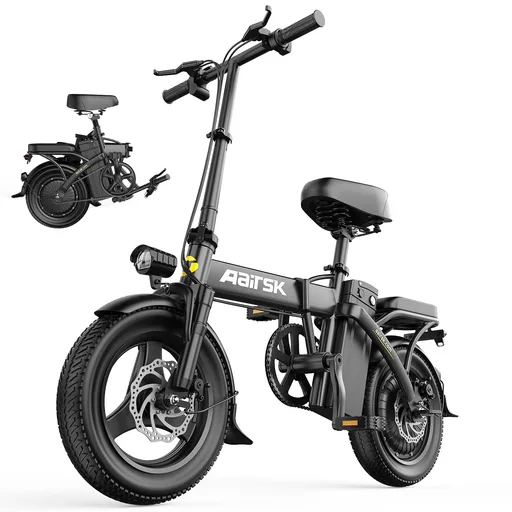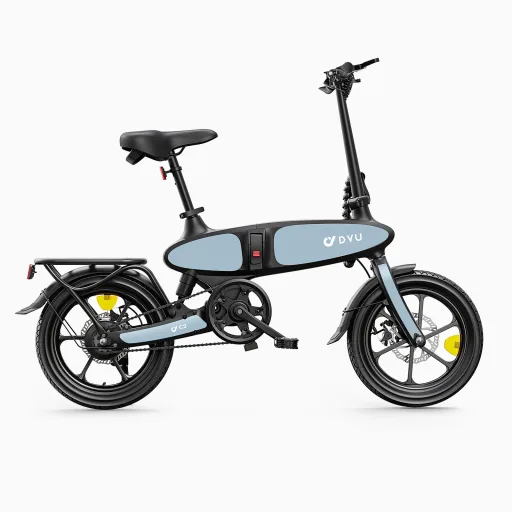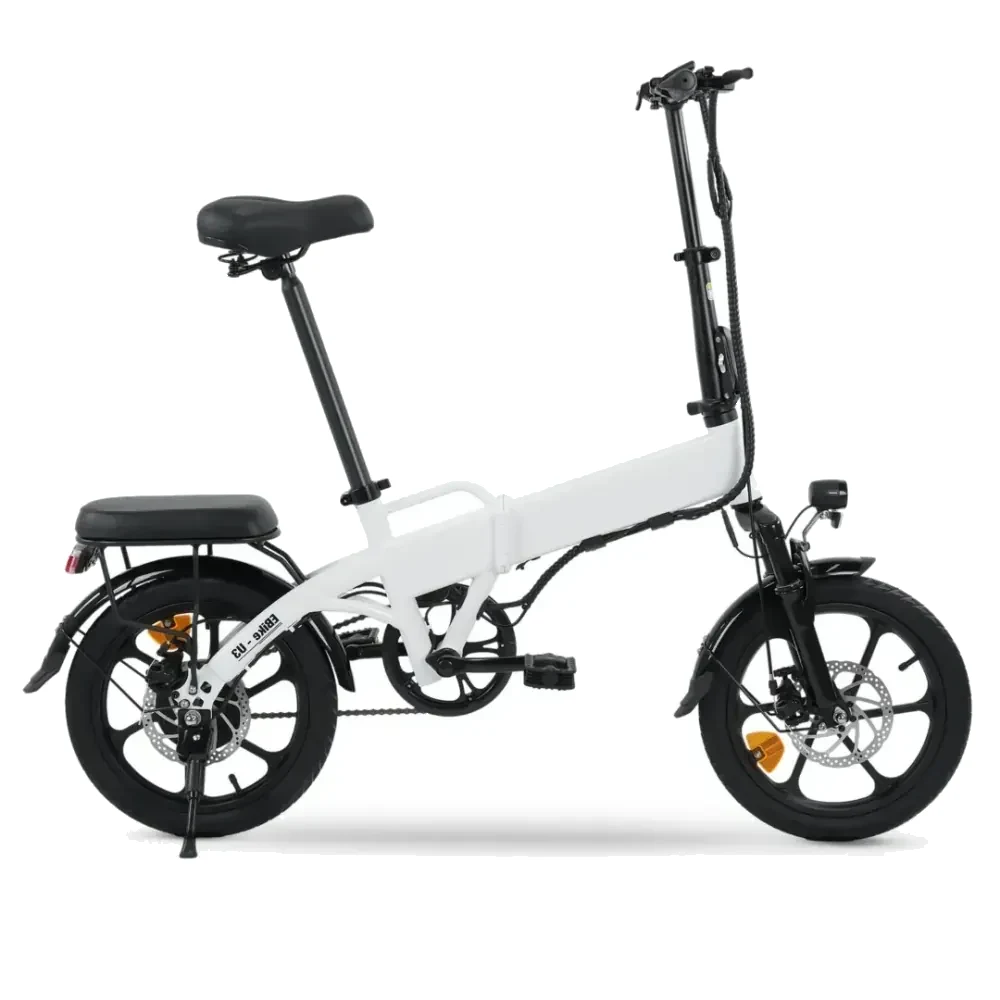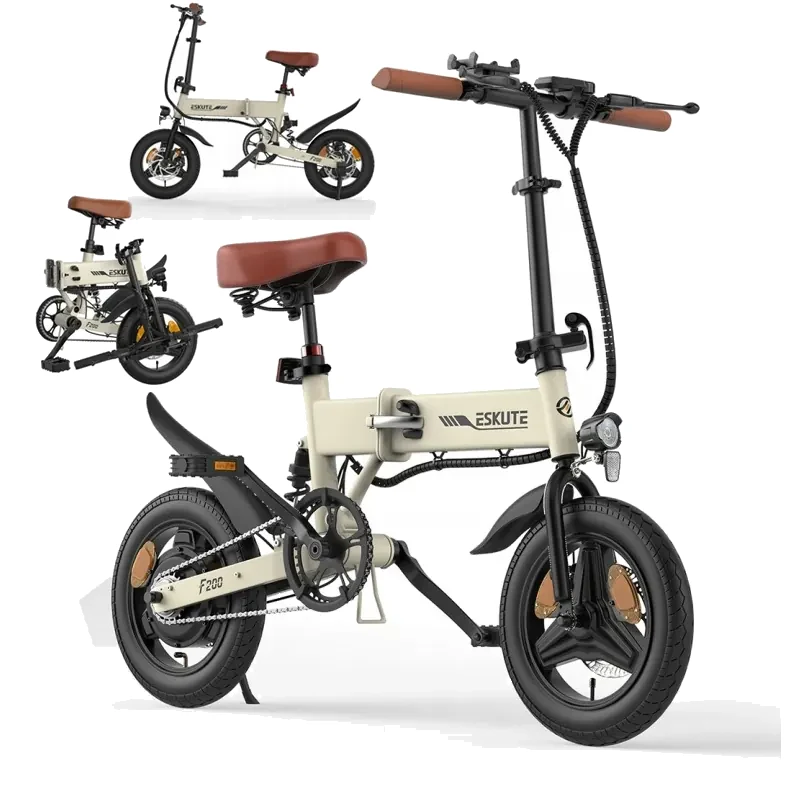
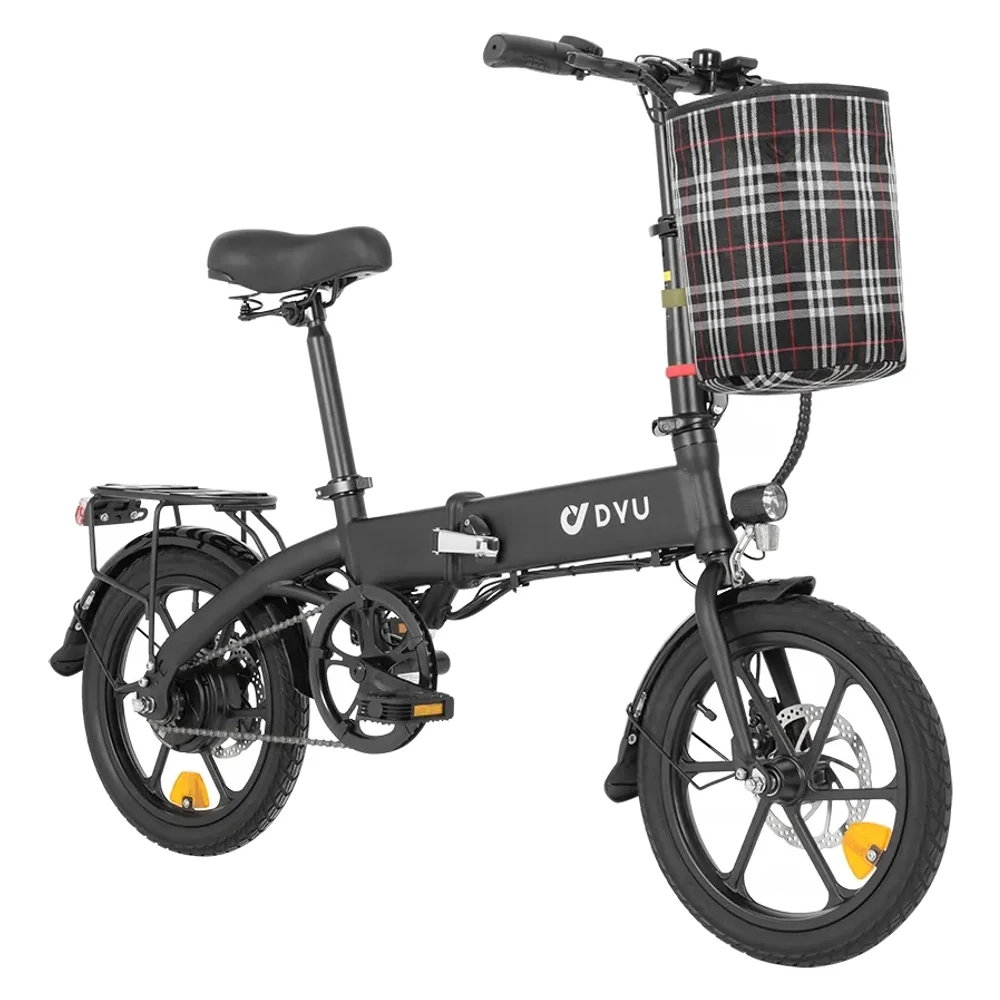
The DYU A1F PRO is a folding e-bike that stands out for its low price. At 647 USD, it costs 39% less than the median folding e-bike. It also weighs 21 kg, which is 27% below the class median of 28.6 kg. This makes it one of the lighter and more affordable options you can find.
This bike suits riders who need a compact, budget-friendly ride for short trips. Its folding frame makes it easy to store or carry onto public transport. However, its small battery and limited range mean it is not for long commutes. You should consider it for quick errands or leisure rides close to home.
What the numbers say
| Spec | This bike | Median for its type |
|---|---|---|
| Battery | 270 Wh | 672 Wh |
| Weight | 21 kg | 28.6 kg |
| Torque | 0 Nm | 50 Nm |
| Estimated range | 20 km | 48 km |
| Price | 647 USD | 1068 USD |
Questions people ask about the DYU A1F PRO
How much does it weigh?
The DYU A1F PRO weighs 21 kg. That is 27% below the median for folding e-bikes. You can lift it more easily than most, but it is still not a featherweight. Consider where you will carry it, like up stairs or onto a train.
How much torque does it have?
The motor torque is listed as 0 Nm. That figure is not comparable to the class median of 50 Nm. MathBikes does not estimate torque. You should check the manufacturer's website for more details.
What speed class is it?
It is a standard pedelec class e-bike. That means it assists you up to 25 km/h. You do not get a throttle. This is typical for many urban e-bikes.
How far does it really go?
The manufacturer claims a range of 40 km. MathBikes estimates the range at 20 km, with a band of 17 to 22 km. That estimate is 50% below the claim. The estimate comes from a formula, not a test. You can adjust assumptions with the range calculator.
What does it cost to run?
The purchase price is 647 USD. Running costs depend on electricity and maintenance. The battery is small, so charging it is cheap. You can compare long-term costs with the cost calculator.
Where it falls short
The DYU A1F PRO has a clear weakness: range. Its estimated range is 20 km, which is 58% below the class median of 48 km. The battery capacity is 270 Wh, which is 60% below the class median of 672 Wh. If you need to travel more than a few kilometers, this bike will leave you stranded.
Who should buy it
This bike is for riders who value low cost and light weight over long distance. It fits a niche for short, urban hops. If your rides are under 17 km, this bike could work. But if you need more range, look elsewhere.
- You want a budget-friendly folding bike for short errands.
- You need to carry your bike up stairs or on a bus.
- You have a short commute of less than 17 km.
Do not buy this bike if you plan long rides or heavy cargo. The max payload is 120 kg, but the range is too short for touring. Consider a model with a larger battery, even if it costs more.