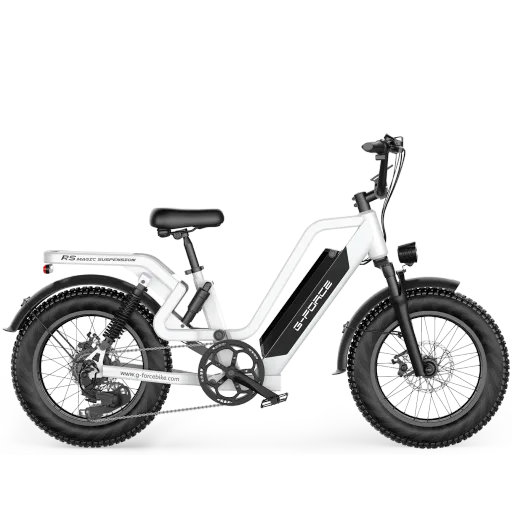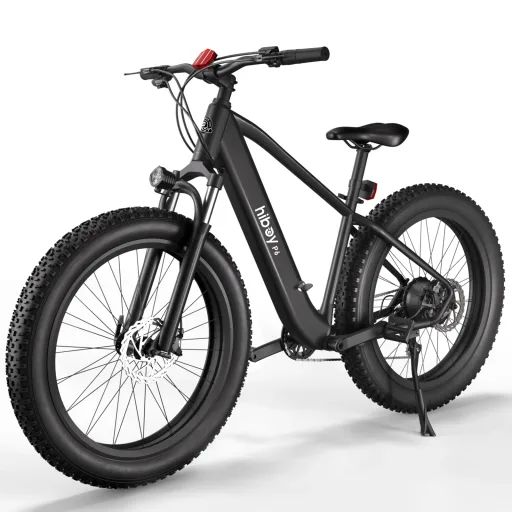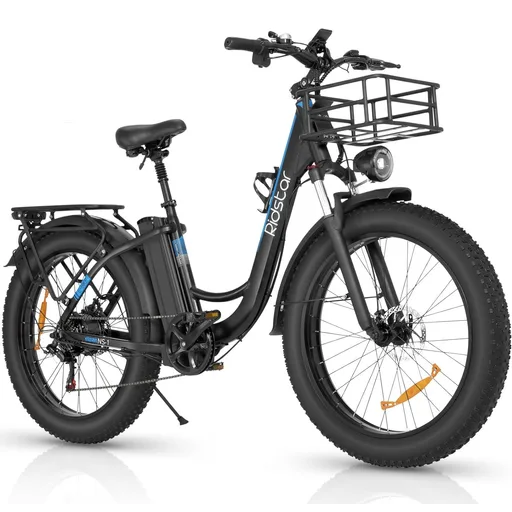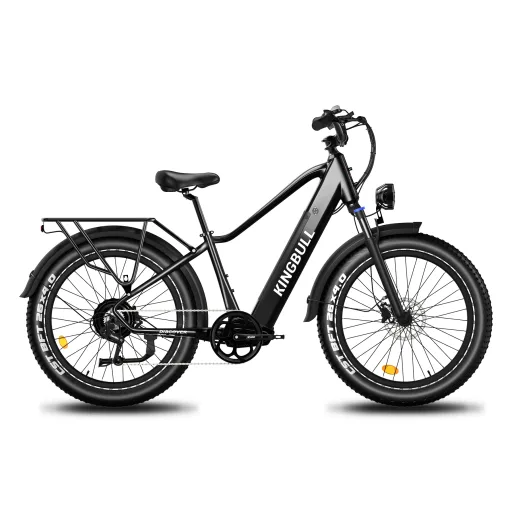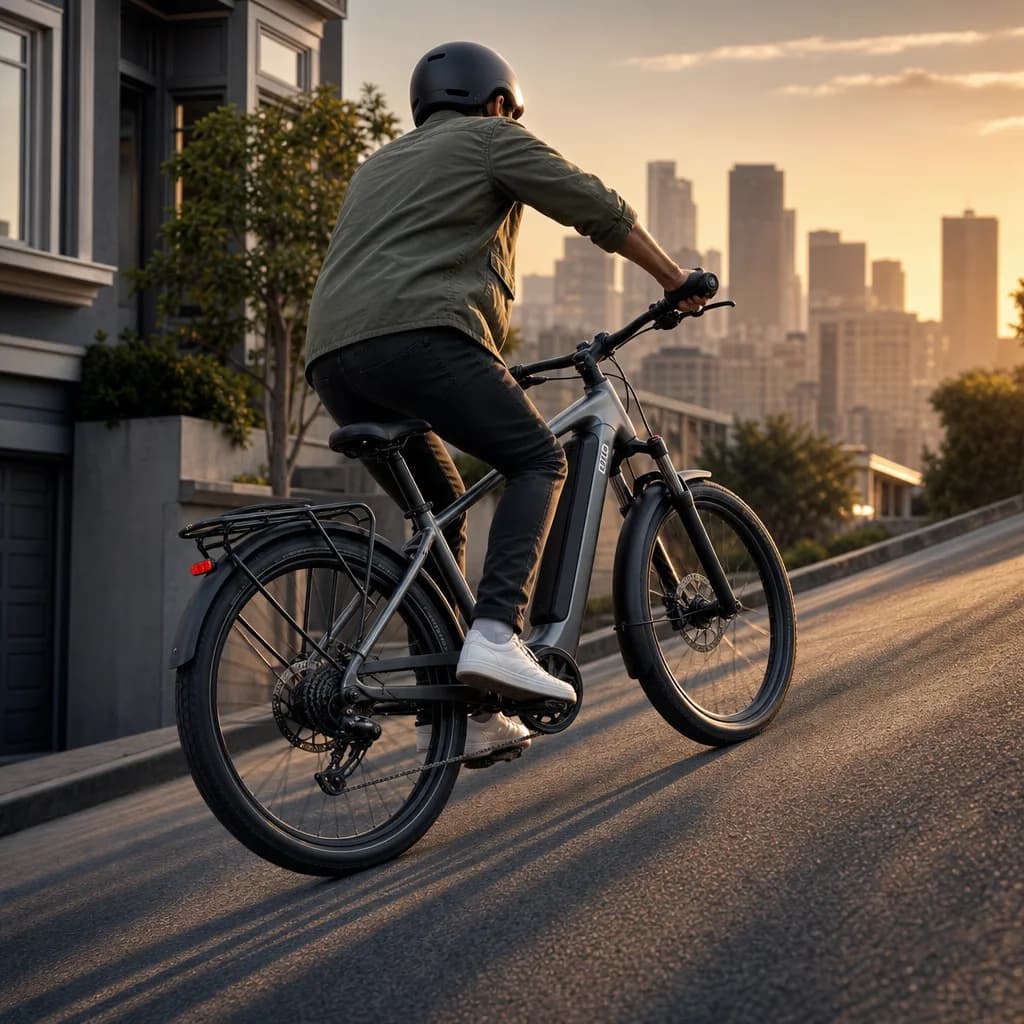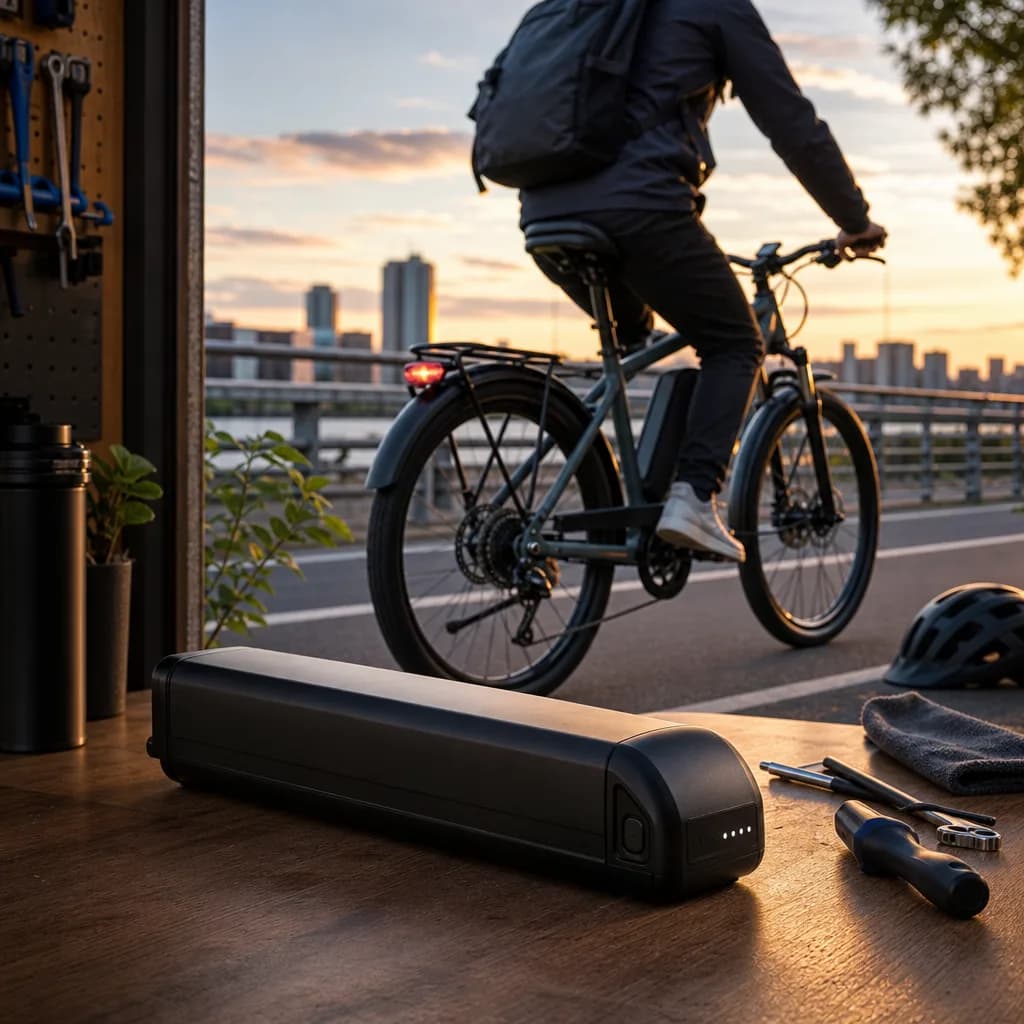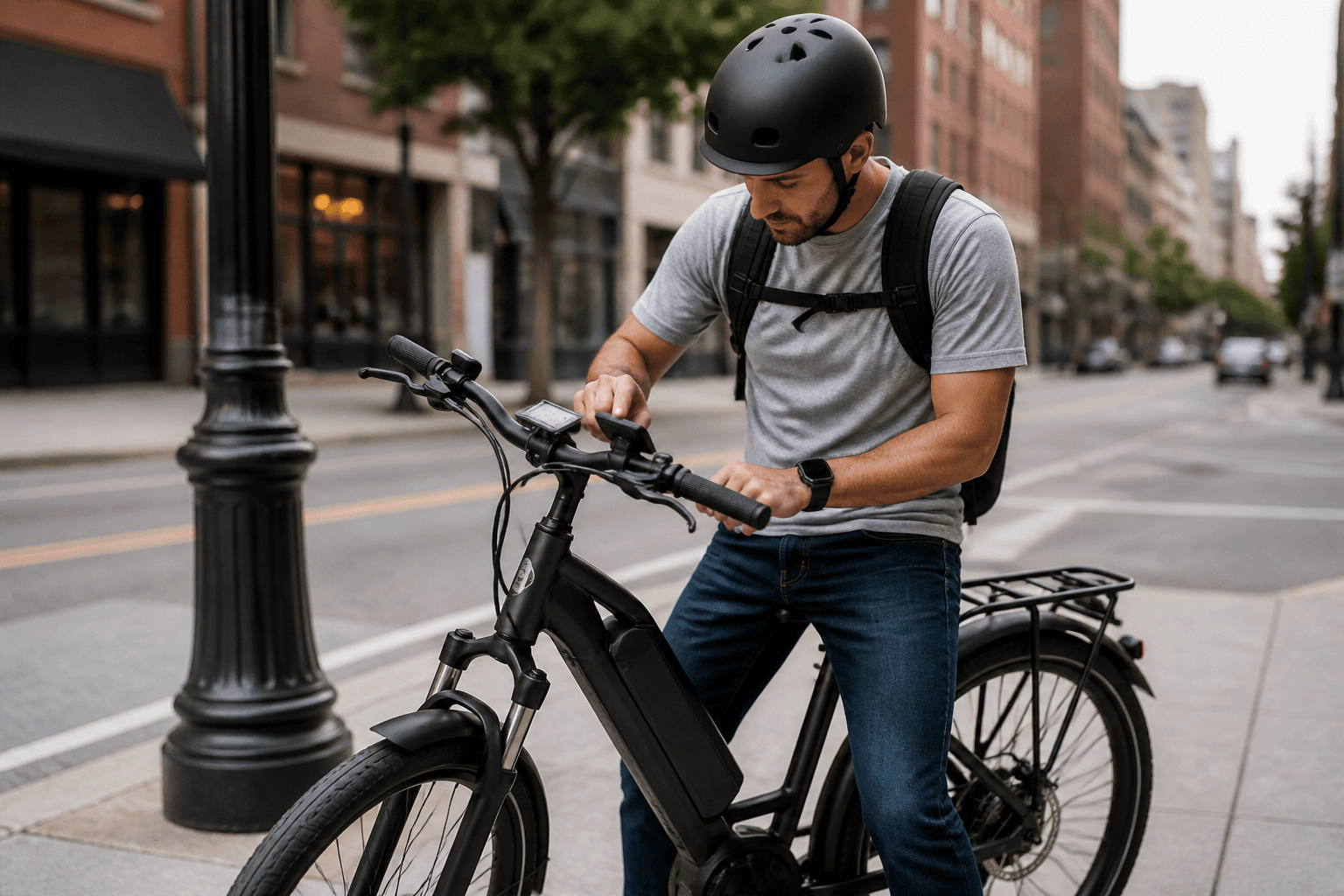
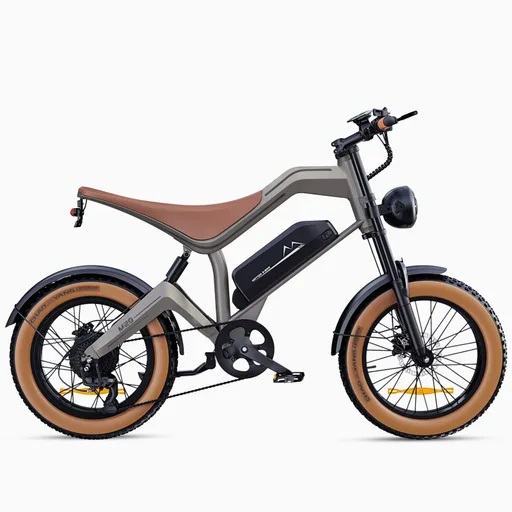
The DYU M20 is a full-size mountain e-bike with a 874 Wh battery. That capacity sits 4% above the median for its type, which is 840 Wh. It weighs 40 kg, which is 18% above the median of 34 kg. The price is 999 USD, which is 33% below the median of 1499 USD.
You get a large battery and a low price, but you pay for it in weight. The motor is rated at 250 W and peaks at 1000 W. Top speed is 25 km/h. The MathBikes estimated range is 49 km, with a band of 43 to 55 km. That is 69% below the manufacturer claim of 160 km. This bike suits riders who want a big battery on a budget and do not mind a heavy machine.
What the numbers say
| Spec | This bike | Median for its type |
|---|---|---|
| Battery | 874 Wh | 840 Wh |
| Weight | 40 kg | 34 kg |
| Torque | not listed | 80 Nm |
| Estimated range | 49 km | 48 km |
| Price | 999 USD | 1499 USD |
Questions people ask about the DYU M20
How much does the DYU M20 weigh?
It weighs 40 kg. That is 18% above the median for its type, which is 34 kg. This is a heavy bike. You will notice it when you lift it onto a rack or push it uphill.
How much torque does it have?
Motor torque is not listed. The median torque for this type is 80 Nm, but we cannot compare this bike to that figure. The motor is rated at 250 W and peaks at 1000 W. Those are power figures, not torque.
What speed class is it?
The speed class is not listed. Top speed is 25 km/h. That is the only speed figure published for this bike.
How far does it really go?
The manufacturer claims 160 km. The MathBikes estimated range is 49 km, with a band of 43 to 55 km. That estimate is 69% below the claim. It comes from a formula, not a test ride. You can see how the formula works with the range calculator.
What does it cost to run?
The price is 999 USD. That is 33% below the median for its type, which is 1499 USD. Running costs depend on your electricity price and how far you ride. We do not publish a cost per charge or per kilometre for this bike. Use the cost calculator to work out your own figure.
Where it falls short
The main drawback is weight. At 40 kg, this bike is 18% heavier than the median of 34 kg. That makes it harder to lift, harder to store and slower to handle on tight trails. The battery is large, but the estimated range is only 49 km, just 2% above the median of 48 km. So the extra weight does not buy you much extra range. The low price of 999 USD is the clear upside, but you carry that weight every time you ride.
Who should buy it
This bike suits riders who want a large battery and a low price. The 874 Wh capacity is 4% above the median. The 999 USD price is 33% below the median. If you can handle the 40 kg weight, you get a lot of battery for the money. The estimated range of 49 km is close to the median of 48 km, so it will cover typical rides.
- You want a big battery on a tight budget. The 874 Wh capacity beats the median of 840 Wh, and the price is 999 USD.
- You ride mostly flat or rolling terrain and do not need to lift the bike often. The 40 kg weight matters less there.
- You are a heavier rider. The max payload is 120 kg, which is published and generous.
Look elsewhere if weight is a priority. At 40 kg, this bike is 18% above the median of 34 kg. Look elsewhere if you need published torque or a speed class, because neither is listed. Look elsewhere if you want a range close to the 160 km claim, because the estimate is 49 km. And look elsewhere if you need a warranty, because none is published.