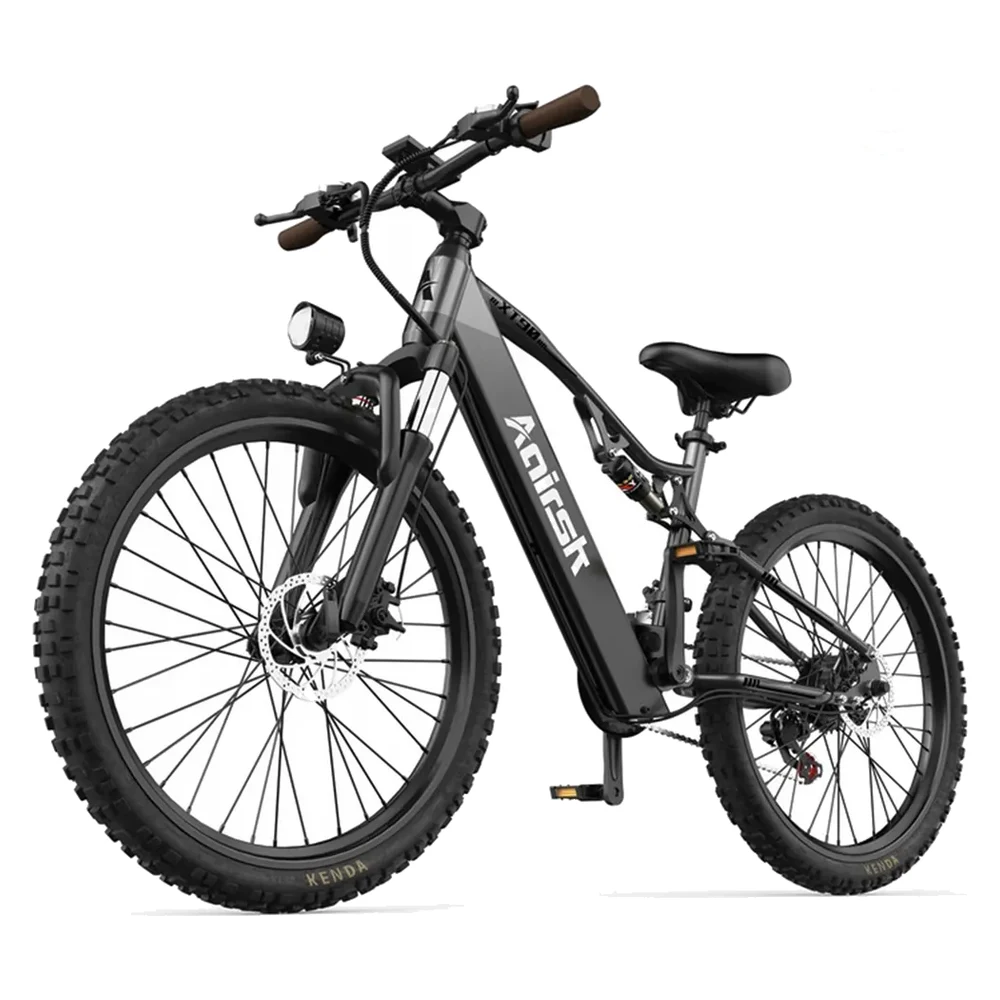
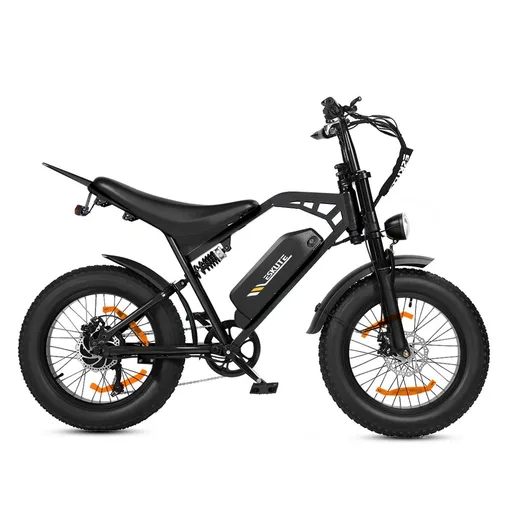
The Eskute V202 Retro is a mountain e-bike with a 998 Wh battery. That capacity is 16% above the median for its type, which is 864 Wh. It weighs 36 kg, which is 4% above the median of 34.5 kg. The price is 971 USD, which is 35% below the median of 1499 USD.
This bike suits you if you want a large battery and a low price. The trade-off is weight and torque. At 36 kg it is heavier than most mountain e-bikes. Its 65 Nm motor is 19% below the class median of 80 Nm. If you ride steep climbs, that matters. If you ride rolling terrain, the big battery may matter more.
What the numbers say
| Spec | This bike | Median for its type |
|---|---|---|
| Battery | 998 Wh | 864 Wh |
| Weight | 36 kg | 34.5 kg |
| Torque | 65 Nm | 80 Nm |
| Estimated range | 57 km | 49 km |
| Price | 971 USD | 1499 USD |
Questions people ask about the Eskute V202 Retro
How much does it weigh?
It weighs 36 kg. That is 4% above the median for its type, which is 34.5 kg. The difference is small, but you will notice it when you lift the bike onto a rack or push it uphill.
How much torque does it have?
The motor produces 65 Nm. The median for this type is 80 Nm, so it is 19% below the class. Lower torque means less assistance on steep climbs. It also means gentler power delivery, which some riders prefer.
What speed class is it?
The speed class is not published. The top speed is not listed either. The rated motor power is 250 W, which is a common figure for this type. Without a speed class, you cannot know how fast it will assist.
How far does it really go?
The manufacturer claims 80 km. The MathBikes estimate is 57 km, with a band of 50 to 64 km. That estimate is 29% below the claim. It comes from a formula, not a test ride. Use the range calculator to see how your own weight and terrain change the figure.
What does it cost to run?
The price is 971 USD. That is 35% below the median for its type, which is 1499 USD. Running costs depend on your electricity price and how often you charge. The battery is 998 Wh, so a full charge uses about one kilowatt hour. Use the cost calculator to work out your own figure.
What else is not published?
The warranty is not listed. The throttle is not listed. The step-through frame option is not listed. The peak motor power is not listed. The motor type is not listed. If any of these matter to you, ask the seller before you buy.
Where it falls short
The main weakness is torque. At 65 Nm it is 19% below the median of 80 Nm. On steep climbs you will work harder than on a stronger bike. The weight is 36 kg, which is 4% above the median. That extra weight makes the bike harder to handle when you are not moving. The estimated range is 57 km, which is 16% above the median, but it is still 29% below the manufacturer claim.
Who should buy it
Buy this bike if you want a large battery and a low price. The 998 Wh battery is 16% above the median for its type. The 971 USD price is 35% below the median. You accept lower torque and higher weight in return.
- You ride rolling terrain and want long assisted range without charging often.
- You are on a tight budget and 971 USD is close to your limit.
- You do not mind a heavier bike and you rarely lift it onto a rack.
Look elsewhere if you need strong climbing power. The 65 Nm motor is 19% below the median. Look elsewhere if you want a light bike. At 36 kg it is 4% above the median. Look elsewhere if you need a published warranty or speed class, because neither is listed.