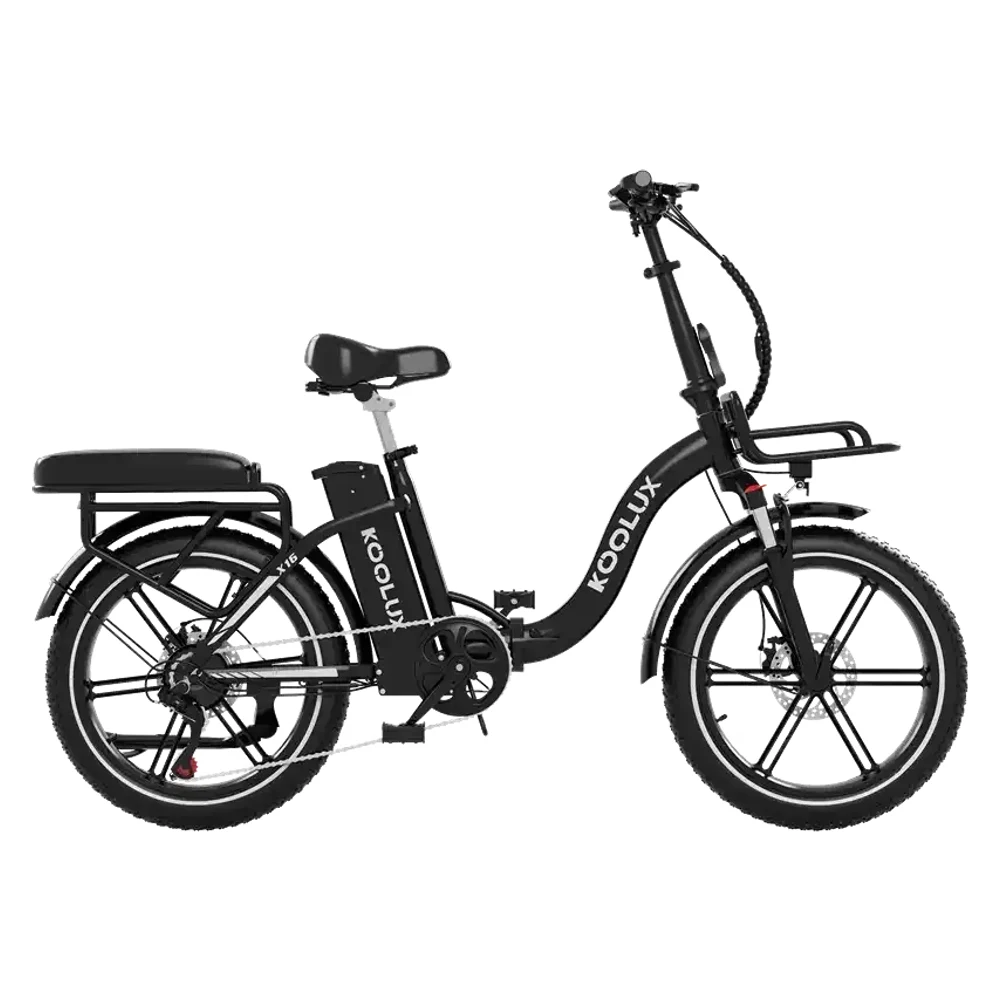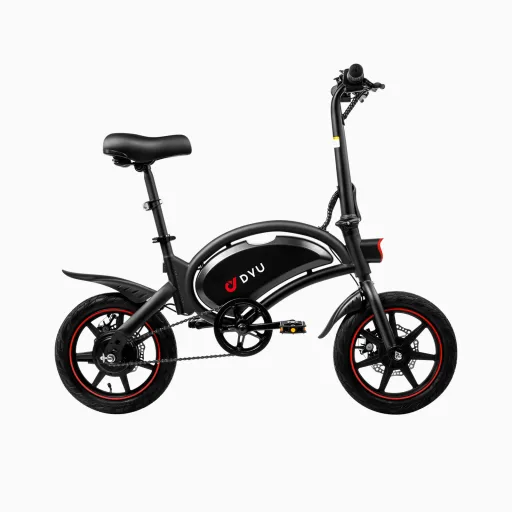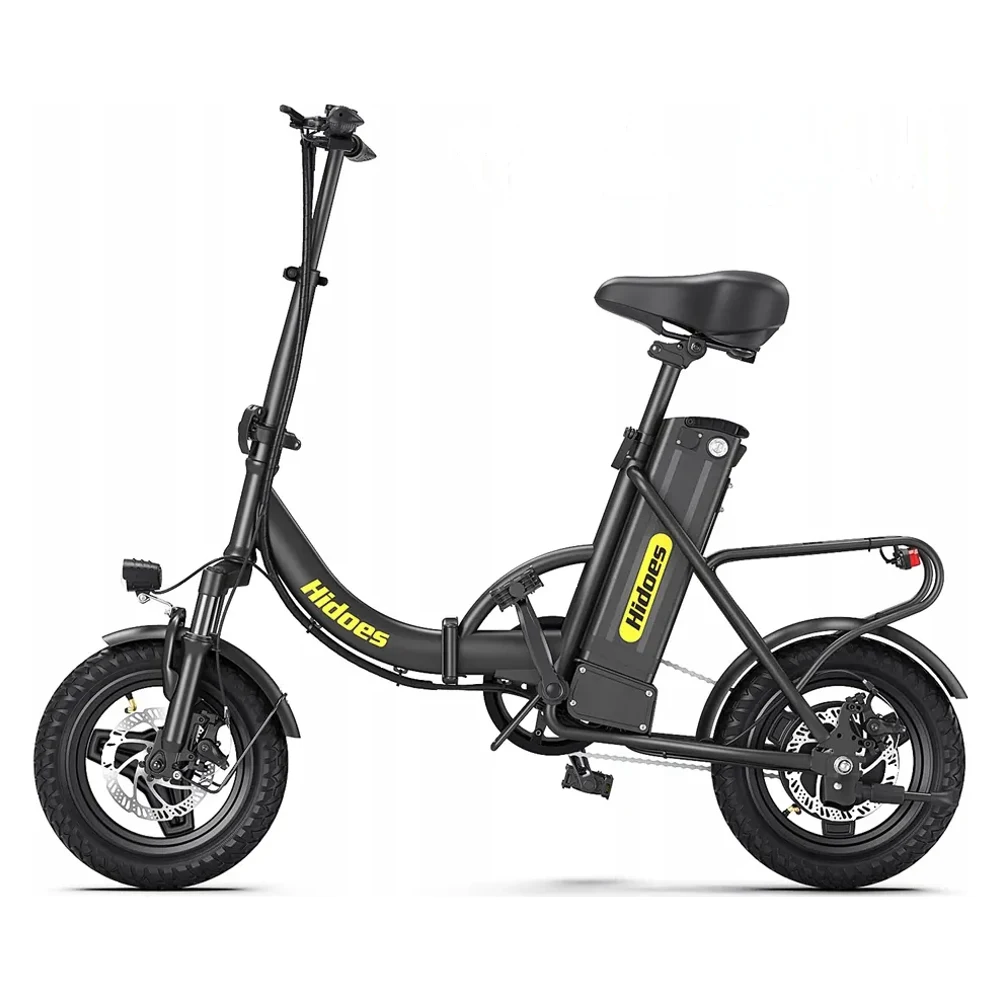
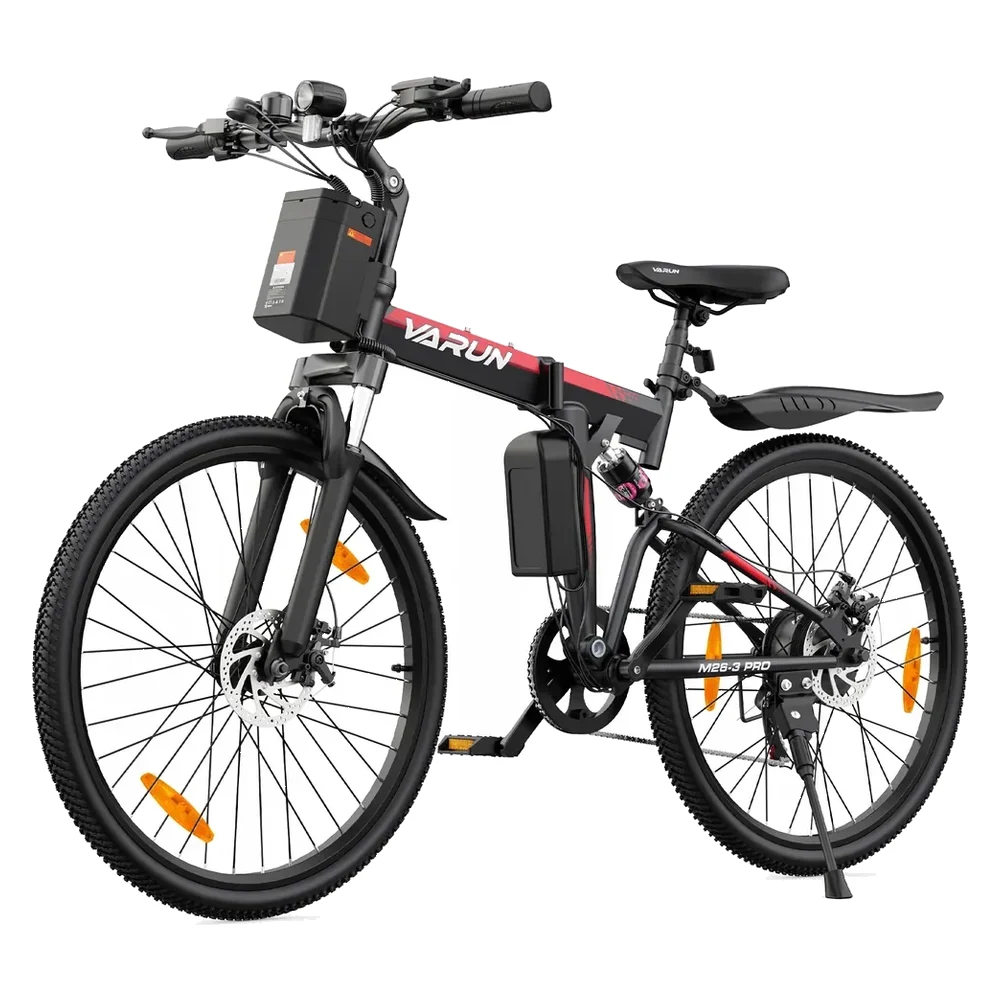
The Varun 250W is a folding e-bike with a 374 Wh battery. That battery is 44% below the median for its class. Most folding bikes carry more energy. You get a lighter frame instead, at 25.9 kg.
This bike suits short commutes and errands where you fold it often. Its 55 Nm hub motor handles gentle hills. The 25 km/h top speed fits standard pedelec rules. If you need long range, look elsewhere.
What the numbers say
| Spec | This bike | Median for its type |
|---|---|---|
| Battery | 374 Wh | 672 Wh |
| Weight | 25.9 kg | 28.6 kg |
| Torque | 55 Nm | 50 Nm |
| Estimated range | 27 km | 48 km |
| Price | 946 USD | 1068 USD |
Questions people ask about the Varun 250W
How much does it weigh?
It weighs 25.9 kg. That is 9% below the median for folding bikes. You still lift it onto a train or into a car boot. Check the weight against your own strength.
How much torque does it have?
The motor delivers 55 Nm of torque. That is 10% above the class median. It helps you start from stops and climb modest slopes. Steep hills will still slow you down.
What speed class is it?
It is a standard pedelec class. The motor assists up to 25 km/h. No throttle is fitted. You pedal to move, and the motor cuts out above that speed.
How far does it really go?
MathBikes estimates 27 km under a reference ride. That estimate is 66% below the manufacturer's claim of 80 km. The band runs from 24 to 30 km. Your range depends on terrain, wind, and your pedaling.
Use the range calculator with your own weight and route. The estimate assumes an 80 kg rider, tour assist, rolling terrain, mild weather, and a brisk pace. It is not a measurement.
What does it cost to run?
The purchase price is 946 USD, 11% below the class median. Running costs depend on electricity and maintenance. The warranty is not listed, so factor in potential repair costs. Try the cost calculator for a full picture.
Where it falls short
The Varun 250W makes a clear trade-off. Its battery is 44% below the class median, and its estimated range is 44% below as well. You get a lighter bike, but you trade away distance. The manufacturer claims 80 km, but the estimate is 27 km.
Who should buy it
This bike fits riders who value low weight and a compact fold over range. It is a practical choice for short, frequent trips where you carry the bike indoors. Its price undercuts many folding rivals.
- You ride less than 25 km per day and can charge at work or home.
- You need a bike that folds for buses, trains, or small apartments.
- You want a lighter folding bike and accept a smaller battery.
Look elsewhere if you need a long-range commuter or plan to carry heavy cargo. The 150 kg payload is generous, but the battery will drain fast under load. Consider a bike with a larger battery if your trips exceed 30 km.