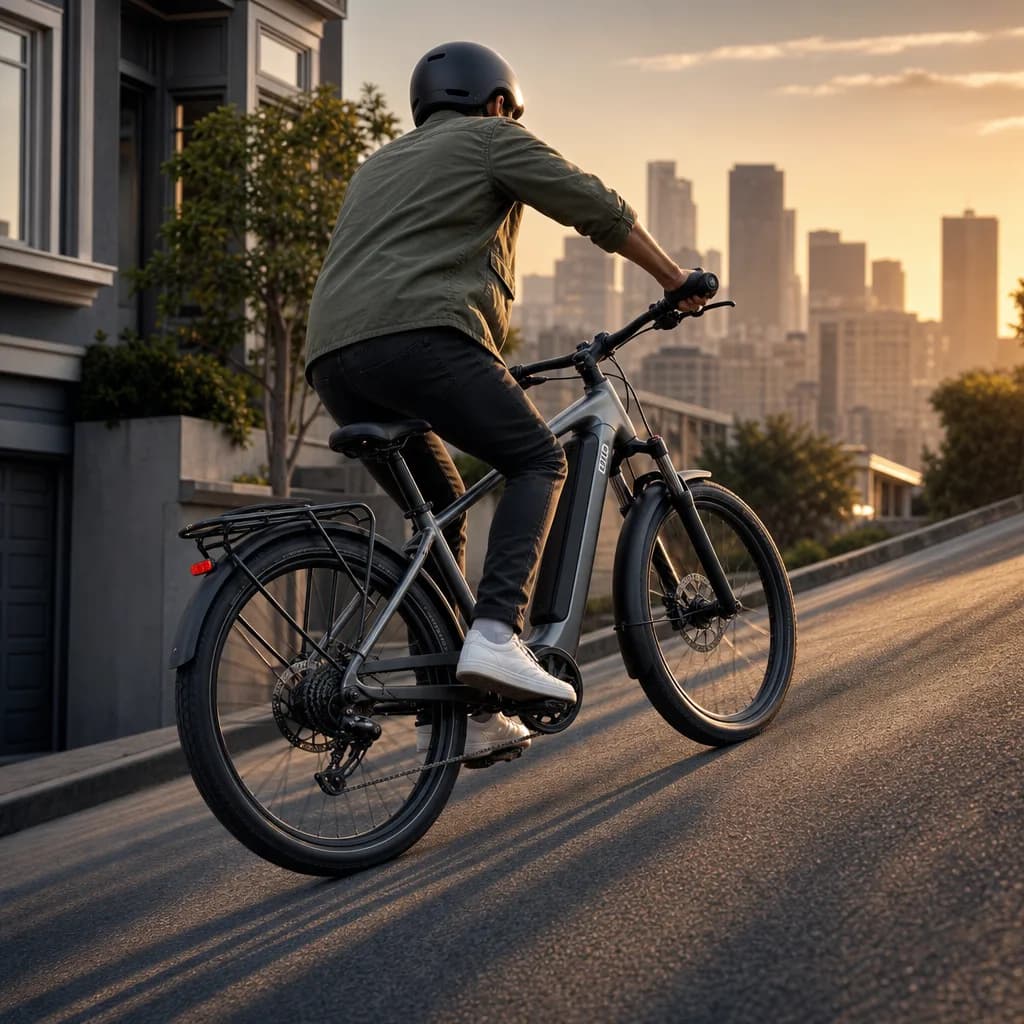
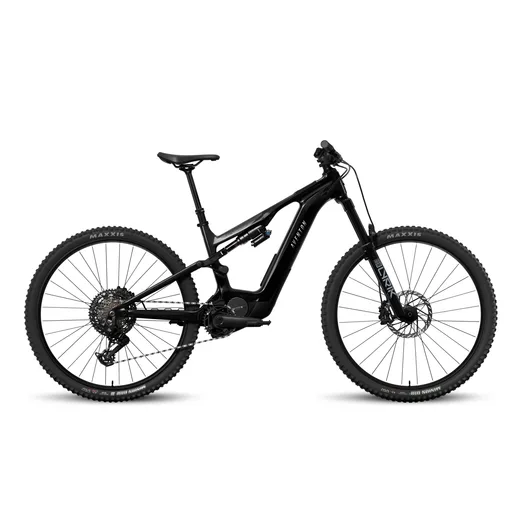
The Aventon Current EXP Carbon is an mtb e-bike with a 5999 USD price. That price is 300% above the median for its type. You pay a premium for a bike that weighs 23.9 kg, which is 31% below the median weight of 34.5 kg. The low weight is the number that most distinguishes it from its class.
This bike suits riders who value a lighter build and are willing to pay for it. Its 800 Wh battery is 7% below the median of 864 Wh, so it carries slightly less capacity than typical. The estimated range of 47 km is 4% below the median of 49 km. If you want a light mtb e-bike and your budget is high, this bike fits. If you want the most range or the lowest price, it does not.
What the numbers say
| Spec | This bike | Median for its type |
|---|---|---|
| Battery | 800 Wh | 864 Wh |
| Weight | 23.9 kg | 34.5 kg |
| Torque | not listed | 80 Nm |
| Estimated range | 47 km | 49 km |
| Price | 5999 USD | 1499 USD |
Questions people ask about this model
How much does it weigh?
The Aventon Current EXP Carbon weighs 23.9 kg. That is 31% below the median weight for its type, which is 34.5 kg. The low weight makes it easier to handle than many mtb e-bikes. Only the weight is published; other figures like payload are not listed.
How much torque does it have?
Motor torque is not listed for this bike. The median torque for its type is 80 Nm, but you cannot compare this bike to that figure. Check with the manufacturer if torque matters to you. Without a published figure, you cannot judge its climbing power from specs alone.
What speed class is it?
The speed class is not listed for this bike. Top speed is also not published. You will need to confirm this with the manufacturer or a dealer. Without a class, you cannot know its legal status on your local trails.
How far does it really go?
The manufacturer claims a range of 169 km. Our estimate is 47 km, which is 72% below the claim. The estimate uses a formula: battery capacity divided by consumption under one reference ride. That ride assumes Tour assist, rolling terrain, mild weather, a brisk pace and an 80 kg rider. It is not a measurement. Use the range calculator to see how your own conditions might change the estimate.
What does it cost to run?
The price is 5999 USD. That is 300% above the median price of 1499 USD for its type. Running costs depend on your electricity rate and how often you charge. The battery is 800 Wh, so each full charge uses a known amount of energy. Use the cost calculator to work out your own running costs.
Where it falls short
The biggest shortfall is price. At 5999 USD, this bike costs 300% more than the median mtb e-bike. You pay a premium for the low weight of 23.9 kg, but you get a battery that is 7% below the median and an estimated range that is 4% below the median. The bike also lacks published figures for torque, speed class and warranty. Those gaps make it hard to compare on anything but weight and price.
Who should buy it
This bike suits riders who prioritise low weight and have a high budget. It does not suit riders who want the most range or the best value. The 23.9 kg weight is its standout figure, but you must accept the 5999 USD price and the slightly below-median battery and range.
- You often lift or carry your bike and a 23.9 kg weight matters more to you than a 34.5 kg median.
- You have a budget of 5999 USD and want a lighter mtb e-bike rather than a cheaper, heavier one.
- You ride mostly short to medium distances where a 47 km estimated range is enough.
Look elsewhere if you want the longest range or the lowest price. The median price for this type is 1499 USD, and the median estimated range is 49 km. This bike offers neither. It is a specialist choice for riders who value weight above all else.