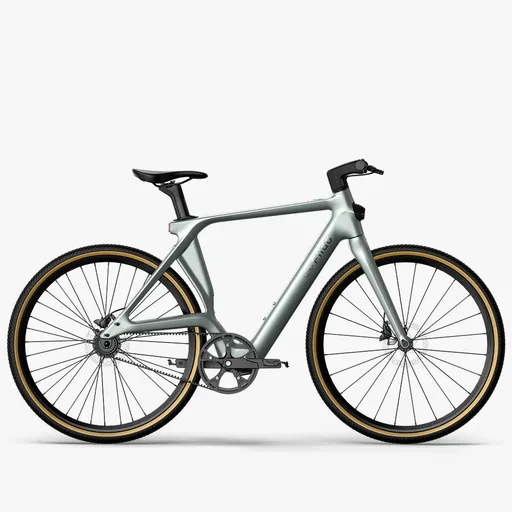
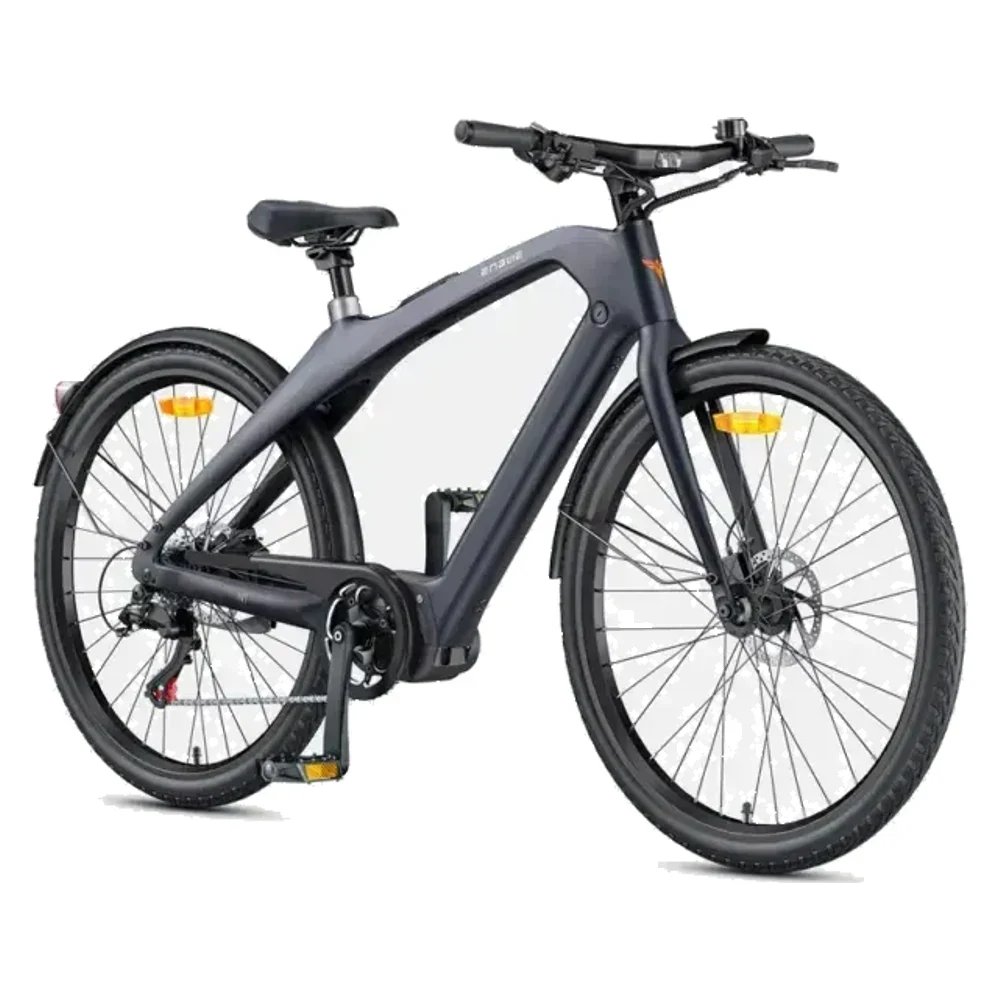
The Engwe N1 PRO Carbon is a city e-bike that stands out for its light weight. At 19.1 kg, it is 29% below the median for its type. That makes it easier to carry up stairs or lift onto a rack. It also has strong torque for a city bike, 80 Nm, which is 78% above the median.
This bike suits riders who value agility and a lively feel over long range. Its battery is small, 360 Wh, and its estimated range is short. You get a responsive ride for short trips and errands. The price is high for what it offers, so consider your priorities.
What the numbers say
| Spec | This bike | Median for its type |
|---|---|---|
| Battery | 360 Wh | 624 Wh |
| Weight | 19.1 kg | 26.8 kg |
| Torque | 80 Nm | 45 Nm |
| Estimated range | 26 km | 45 km |
| Price | 1983 USD | 1299 USD |
The table shows the trade-offs. You get a light frame and high torque, but you pay more and get less range. The battery is 42% below the median. The estimated range is 42% below the median. The price is 53% above the median.
Questions people ask
How much does it weigh?
The Engwe N1 PRO Carbon weighs 19.1 kg. That is light for a city e-bike. The median weight for its type is 26.8 kg. You will notice the difference when lifting or maneuvering it.
How much torque does it have?
The motor delivers 80 Nm of torque. That is high for a city bike. The median torque is 45 Nm. This means strong acceleration and good hill climbing, even with a lighter motor.
What speed class is it?
It is a standard pedelec class. The top speed is 25 km/h. That is typical for this class. You get pedal assist up to that speed, then the motor stops helping.
How far does it really go?
The manufacturer claims 100 km. MathBikes estimates 26 km, with a band from 23 to 30 km. That estimate is 74% below the claim. The estimate comes from a formula, not a test. You can adjust inputs with the range calculator.
What does it cost to run?
The purchase price is 1983 USD. Running costs depend on electricity and maintenance. The warranty is not listed. Use the cost calculator to estimate your own costs.
Where it falls short
The main drawback is the short range. With an estimated 26 km, you cannot go far on a single charge. The battery is small, 360 Wh, and the price is high. You pay a premium for the light weight and torque.
Who should buy it
This bike is for riders who prioritize weight and torque over range. It fits short commutes and errands where you can charge often. If you live in a walk-up or use a bike rack, the light frame helps.
- You carry your bike up stairs or onto a train.
- You ride less than 23 km per charge and can charge at work or home.
- You want strong acceleration for city traffic.
Look elsewhere if you need long range or a lower price. The estimated range is short, and the price is above the median. Consider a bike with a larger battery if you plan longer rides.