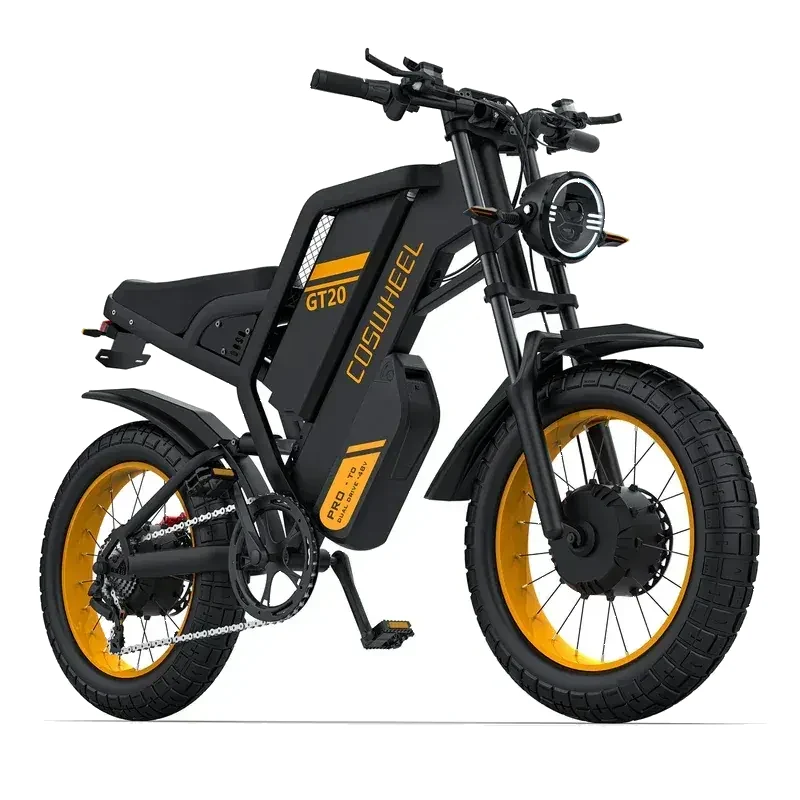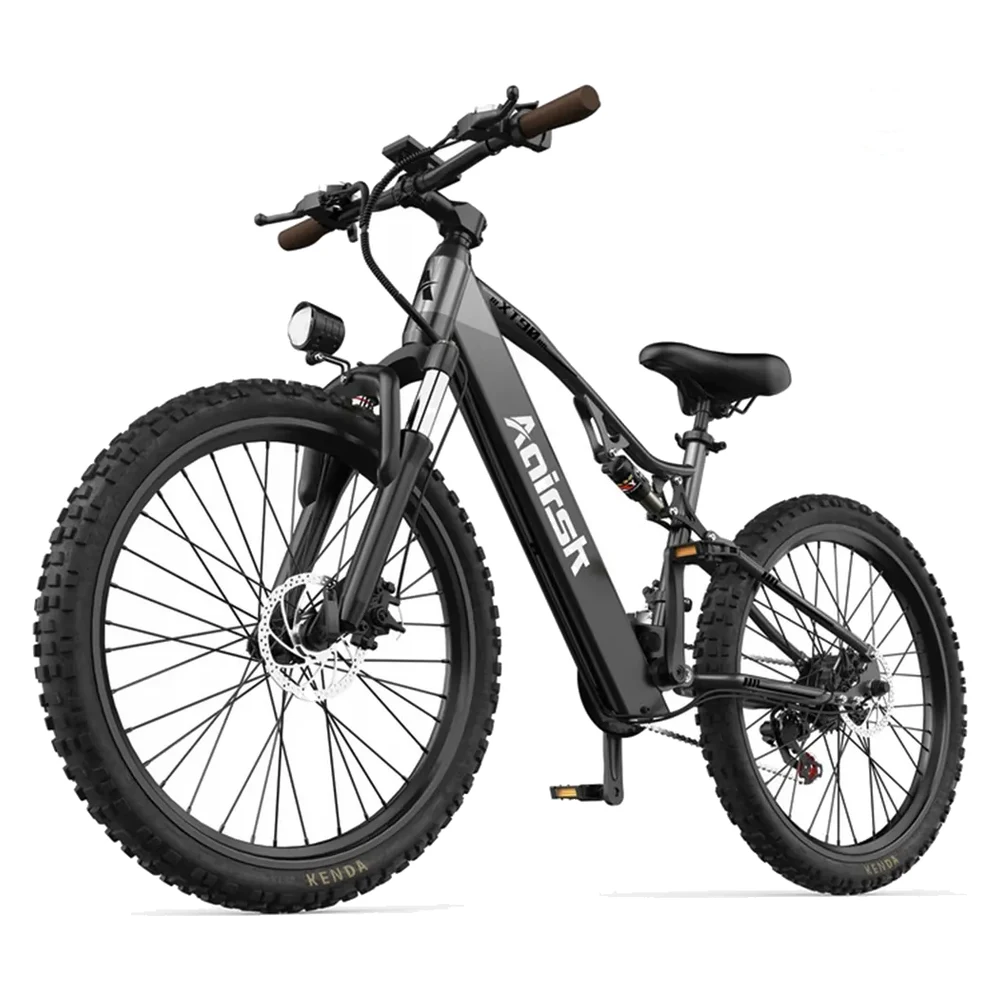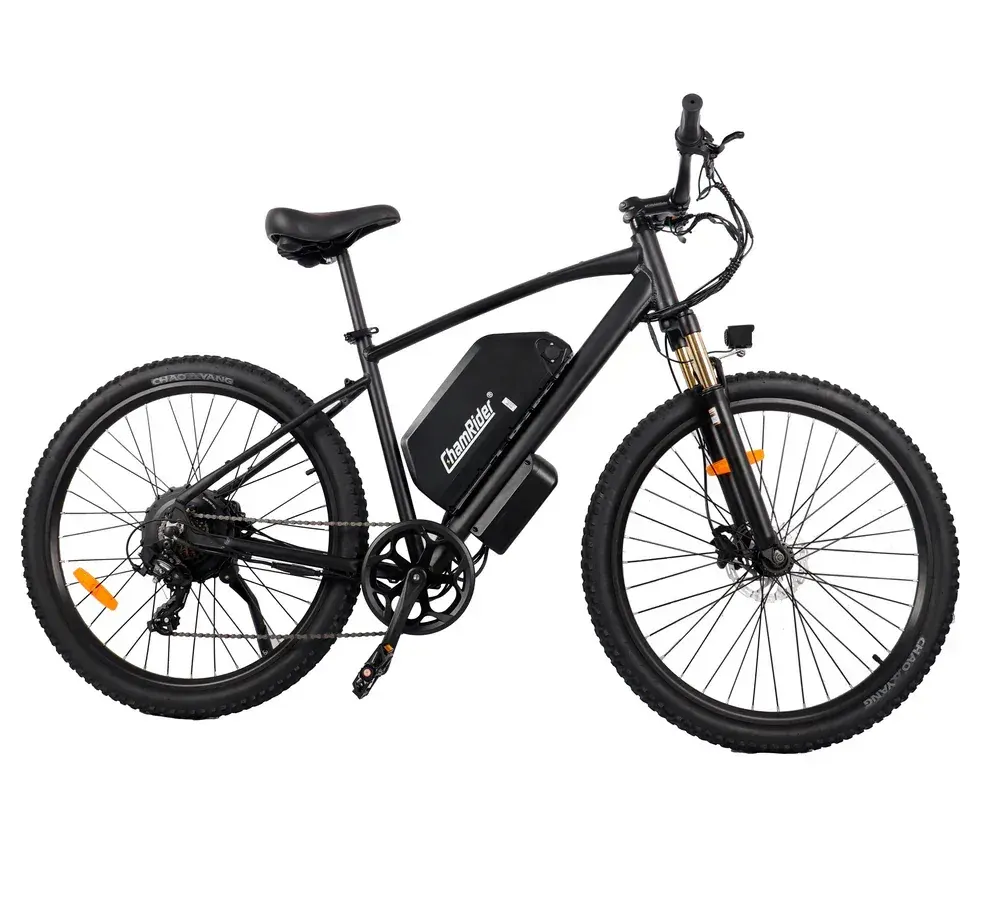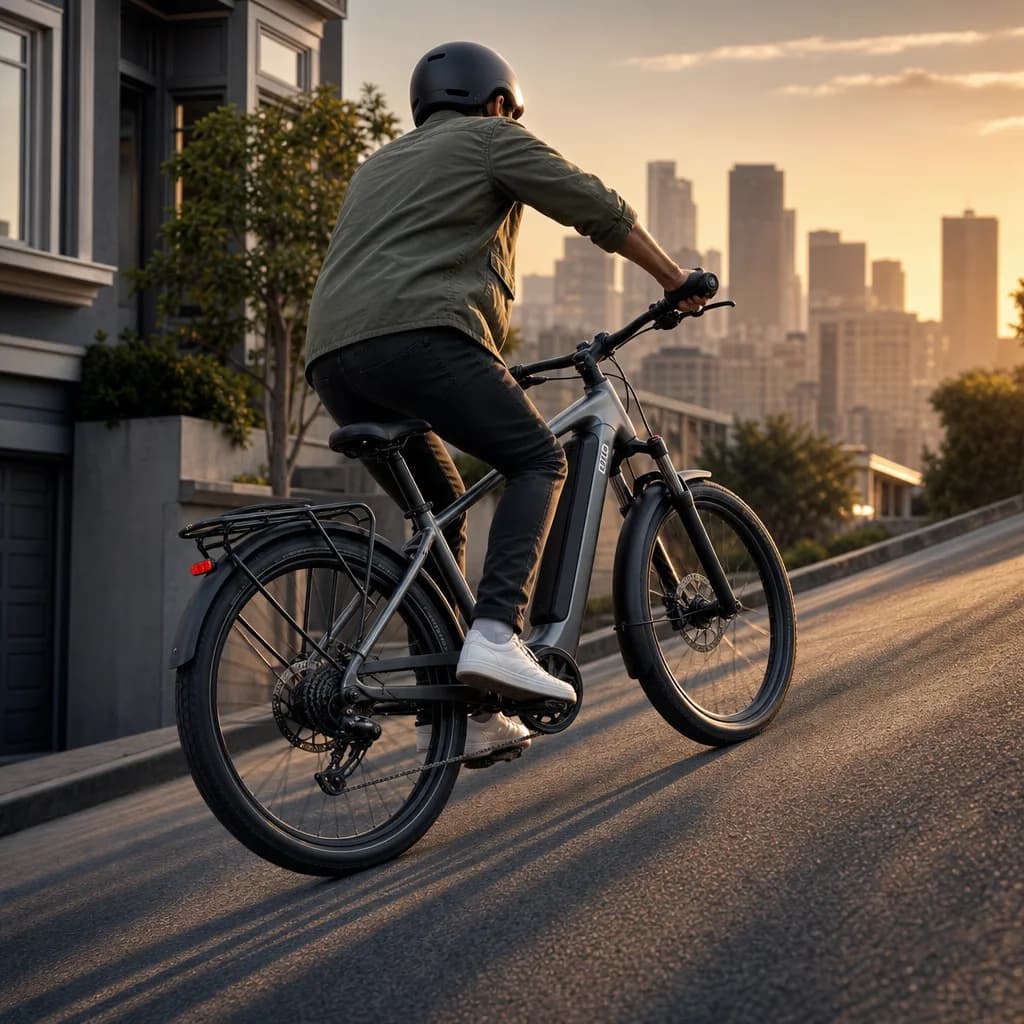
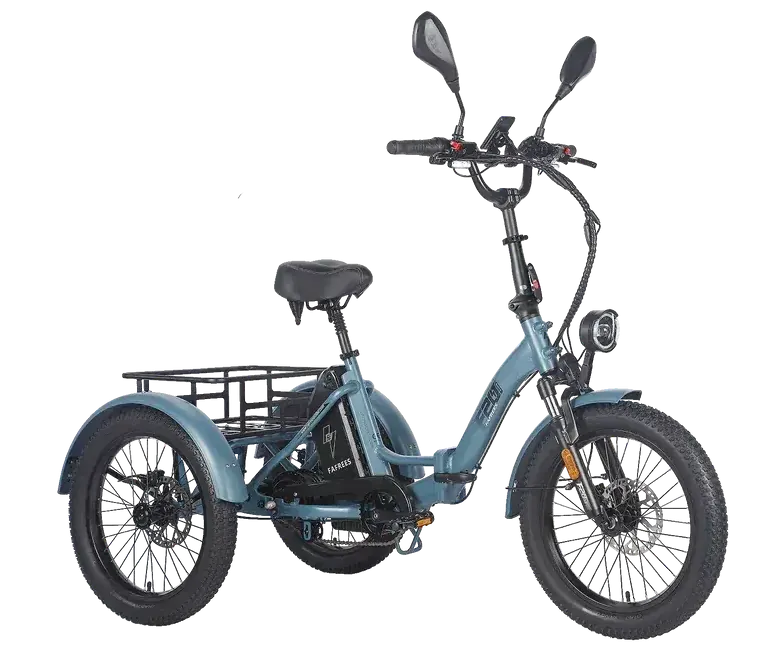
The Fafrees F20 Mate HS is a mountain e-bike with a 1008 Wh battery. That battery is 20% above the median for its class. It also weighs 43.1 kg, which is 26% above the class median. This bike is built for long rides and heavy riders, not for lifting or carrying.
It suits riders who want a high-capacity battery and a high payload limit of 180 kg. The motor delivers 65 Nm of torque, which is 19% below the class median. You get a standard pedelec class with a top speed of 30 km/h. It is not foldable and has no throttle.
What the numbers say
| Spec | This bike | Median for its type |
|---|---|---|
| Battery | 1008 Wh | 840 Wh |
| Weight | 43.1 kg | 34.2 kg |
| Torque | 65 Nm | 80 Nm |
| Estimated range | 57 km | 49 km |
| Price | 2256 USD | 1554 USD |
Questions you might ask
How much does it weigh?
The Fafrees F20 Mate HS weighs 43.1 kg. That is 26% heavier than the median bike of its type. You will feel that weight when you lift it or push it. It is not a bike you carry upstairs.
How much torque does it have?
The motor torque is 65 Nm. That is 19% below the class median of 80 Nm. It is a hub motor, so torque delivery is direct. It will handle moderate hills but may struggle on steep ones with a heavy load.
What speed class is it?
It is a standard pedelec class. That means pedal assist up to 30 km/h. There is no throttle. You must pedal to get motor support.
How far does it really go?
The manufacturer claims a range of 64 km. MathBikes estimates 57 km, which is 11% below the claim. The estimate uses a reference ride: Tour assist, rolling terrain, mild weather, brisk pace, with an 80 kg rider. It is not a measurement. Use the range calculator to adjust for your weight and terrain.
What does it cost to run?
The price is 2256 USD, which is 45% above the class median. Running costs depend on electricity and maintenance. The battery is large, so charging may cost more than smaller batteries. Use the cost calculator to estimate yearly costs.
Where it falls short
The Fafrees F20 Mate HS is heavy and has less torque than average. At 43.1 kg, it is 26% above the median. The 65 Nm torque is 19% below the median. That combination makes it less agile on steep climbs.
Who should buy it
This bike is for riders who prioritize battery capacity and payload over agility. It suits long commutes or leisure rides on moderate terrain. It is not for those who need to lift their bike or tackle steep mountains.
- You want a large battery for long rides without frequent charging.
- You need a high payload capacity of 180 kg for cargo or a heavier rider.
- You ride mostly flat or rolling terrain and value range over torque.
Look elsewhere if you need a light bike for carrying or a powerful motor for steep hills. The weight and torque figures put it at a disadvantage in those areas. Consider a bike closer to the class medians if those matter more.