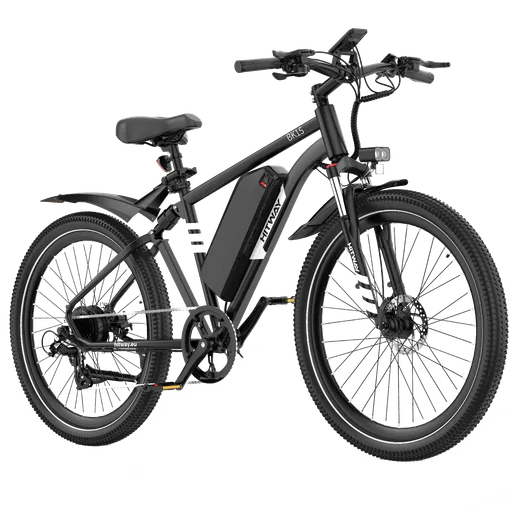
The HITWAY BK15 Plus is an e-MTB with a 748.8 Wh battery. That capacity sits 8% below the median for its type, which is 816 Wh. It weighs 27 kg, which is 22% below the median of 34.5 kg. So it is lighter than most e-MTBs, but its battery is smaller.
This bike suits riders who want a lighter e-MTB and do not need the biggest battery. The 250 W motor and 70 Nm torque give modest assist. The manufacturer claims 150 km of range, but the MathBikes estimate is 43 km. That estimate uses one reference ride for every bike. If you want a light e-MTB for short rides, this could work. If you need long range, look elsewhere.
What the numbers say
| Spec | This bike | Median for its type |
|---|---|---|
| Battery | 748.8 Wh | 816 Wh |
| Weight | 27 kg | 34.5 kg |
| Torque | 70 Nm | 80 Nm |
| Estimated range | 43 km | 47 km |
| Price | 0 USD | 1499 USD |
Questions people ask
How much does it weigh?
The HITWAY BK15 Plus weighs 27 kg. That is 22% below the median for its type, which is 34.5 kg. So it is lighter than most e-MTBs. A lighter bike is easier to handle and store.
How much torque does it have?
It has 70 Nm of torque. The median for its type is 80 Nm, so it is 12% below. That means less climbing power than many e-MTBs. The rated motor power is 250 W. Peak power is not published.
What speed class is it?
The top speed is 25 km/h. The speed class is not listed. You should check local rules if you plan to ride on public roads. The throttle is also not listed.
How far does it really go?
The manufacturer claims 150 km. The MathBikes estimate is 43 km, with a band of 38 to 49 km. That is 71% below the claim. The estimate uses a formula: battery capacity divided by consumption, under one reference ride. It is not a measurement. You can try the range calculator to see how different inputs change the figure.
What does it cost to run?
The price is 0 USD. That is not comparable to the median price of 1499 USD for its type. So we cannot compare running costs directly. The battery is 748.8 Wh, and charging costs depend on your electricity rate. Use the cost calculator to estimate running costs with your own numbers.
Where it falls short
The main trade-off is battery capacity. At 748.8 Wh, it is 8% below the median of 816 Wh. The estimated range is 43 km, which is 9% below the median of 47 km. The manufacturer claim of 150 km is far above the estimate. So you get a lighter bike, but you give up range. Also, the warranty is not listed, and the max payload is not listed. Those are gaps you should ask about before buying.
Who should buy it
Buy this bike if you want a lighter e-MTB and your rides are short. The 27 kg weight is 22% below the median, so it is easier to handle. The 70 Nm torque is 12% below the median, so it is not a climbing specialist. But for moderate trails and commuting, it could be enough.
- You want a lighter e-MTB for short rides and easy trails.
- You do not need the longest range and can charge often.
- You want a bike that is easier to store and lift than most e-MTBs.
Look elsewhere if you need long range or strong climbing power. The estimated range is 43 km, which is 9% below the median. The torque is 70 Nm, which is 12% below the median. Also, if you need a published warranty or payload, this bike does not list them. Consider a bike with a larger battery and more torque.