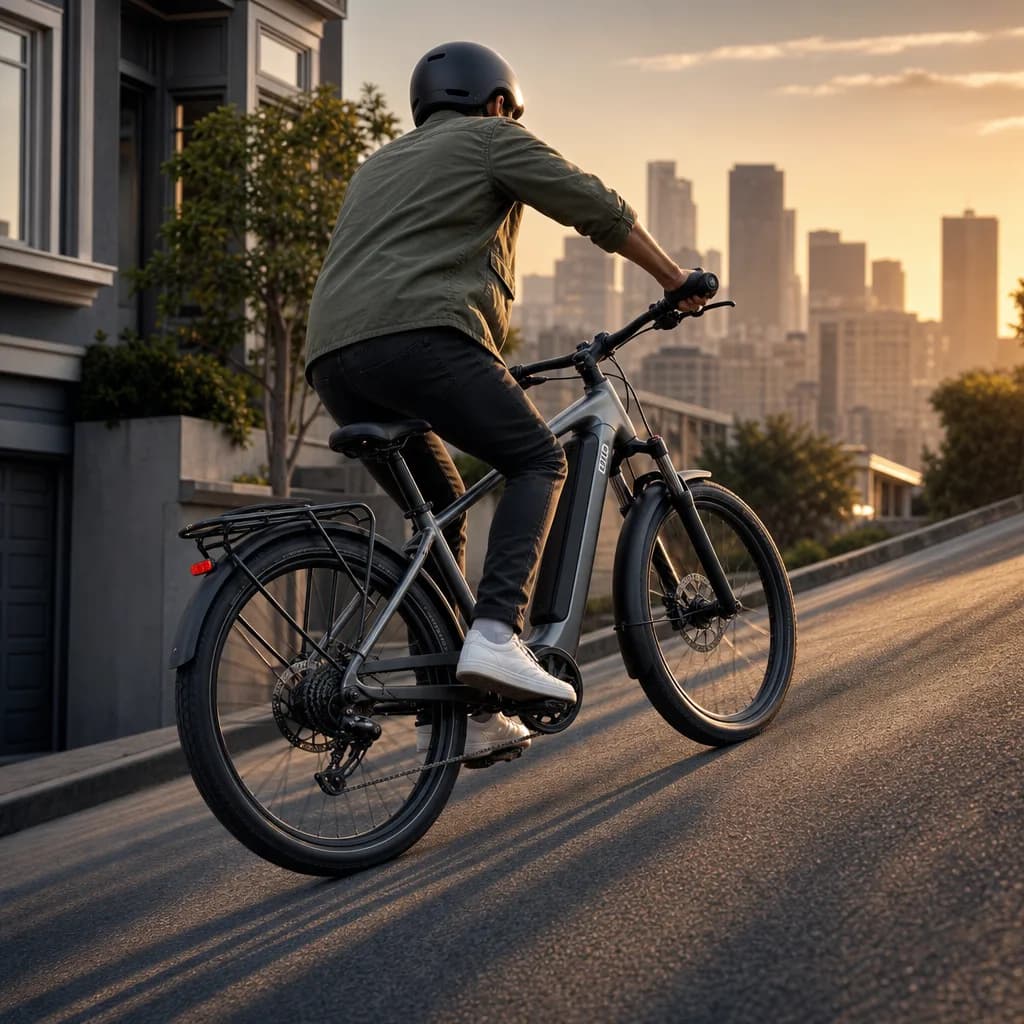
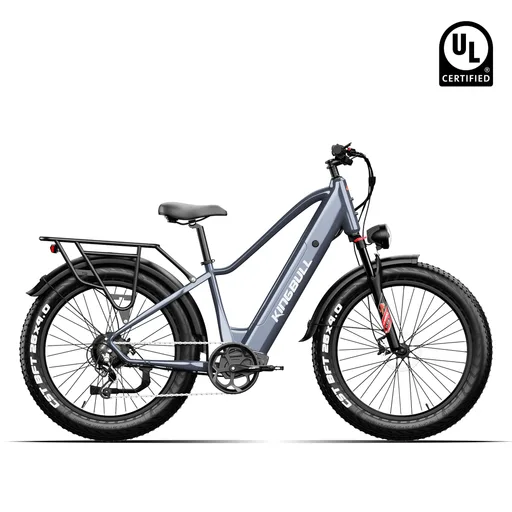
The Kingbull Discover2.0 is a mountain e-bike with a 720 Wh battery and a 750 W motor. That battery is 17% below the median for its type, which is 864 Wh. The price is 999 USD, which is 33% below the median of 1499 USD. So you get less battery, but you pay much less.
This bike suits riders who want a full-size mountain e-bike without spending near the median price. It has a rated motor power of 750 W and a top speed of 45 km/h. The weight is 34.9 kg, which is 1% above the median for its type. That is heavy, but typical for the class. If you want a low-cost entry into mountain e-bikes and can accept a shorter estimated range, this bike is aimed at you.
What the numbers say
| Spec | This bike | Median for its type |
|---|---|---|
| Battery | 720 Wh | 864 Wh |
| Weight | 34.9 kg | 34.5 kg |
| Torque | not listed | 80 Nm |
| Estimated range | 41 km | 49 km |
| Price | 999 USD | 1499 USD |
The table shows the main differences from the class median. The battery is smaller and the estimated range is shorter. The weight is almost the same. The price is much lower. Torque is not published, so you cannot compare it.
Questions people ask about the Kingbull Discover2.0
How much does it weigh?
The Kingbull Discover2.0 weighs 34.9 kg. That is 1% above the median weight for its type, which is 34.5 kg. So it is a little heavier than the typical mountain e-bike in the database. At this weight, you will notice it when lifting or carrying the bike.
How much torque does it have?
Motor torque is not listed for this bike. The median torque for its type is 80 Nm, but we cannot say how this bike compares. You should ask the manufacturer or check the product manual for torque figures. Without that number, you cannot judge its climbing ability from specs alone.
What speed class is it?
The speed class is not listed. The top speed is 45 km/h, but that does not tell you the legal class. Speed class rules vary, so check local regulations before you buy. The manufacturer does not publish a class for this model.
How far does it really go?
The manufacturer claims 97 km of range. Our estimate is 41 km, with a band of 36 to 46 km. That is 58% below the claim. The estimate uses a published formula: battery capacity divided by consumption, under one reference ride for every bike on the site. It is not a measurement. Use the range calculator to see how your own weight and assist level could change the estimate.
What does it cost to run?
The price is 999 USD. That is 33% below the median price for its type, which is 1499 USD. Running costs depend on your electricity price and how often you charge. The battery is 720 Wh, so each full charge uses 720 Wh of electricity. You can work out the cost per charge with the cost calculator.
Where it falls short
The main shortfall is range. The battery is 720 Wh, which is 17% below the class median of 864 Wh. The estimated range is 41 km, which is 16% below the median of 49 km. The manufacturer claims 97 km, but our estimate is 58% lower. If you plan long rides, this bike may not be enough. Also, torque and warranty are not published, so you cannot compare those.
Who should buy it
This bike suits riders who want a mountain e-bike at a low price and do not need long range. It also suits those who mostly ride short trips and can charge often. The 750 W motor and 45 km/h top speed give it enough power for many situations. But you must accept the shorter estimated range and the missing torque figure.
- You want a mountain e-bike and your budget is near 999 USD.
- Your typical rides are shorter than the estimated range of 41 km.
- You can charge after every ride and do not mind a heavier bike.
Look elsewhere if you need long range or published torque. The estimated range is 41 km, which is 16% below the class median. If you often ride more than that, choose a bike with a larger battery. Also, if warranty matters to you, this bike does not list one. Consider a model with a published warranty and a higher capacity battery.