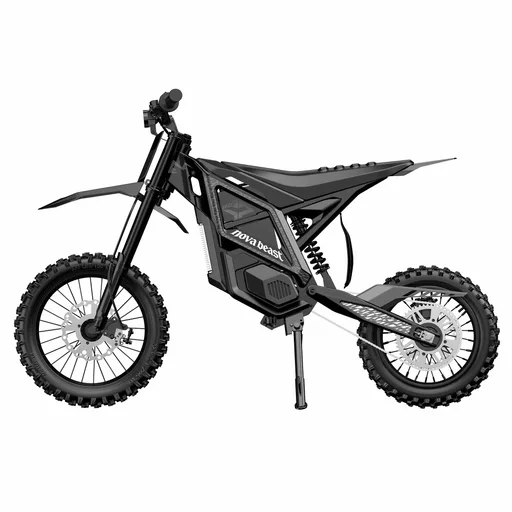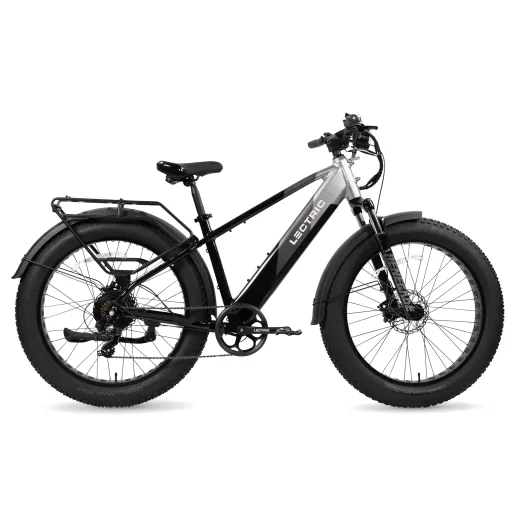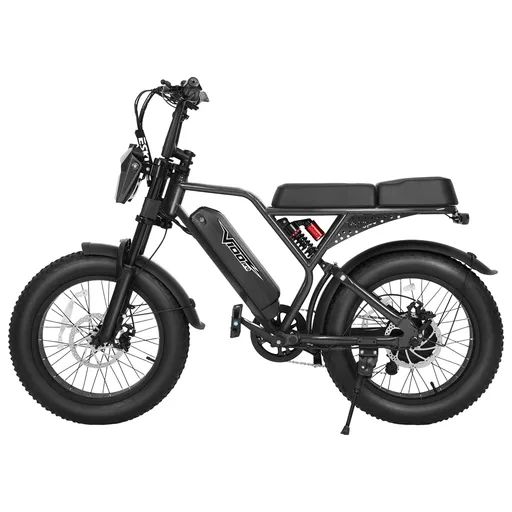
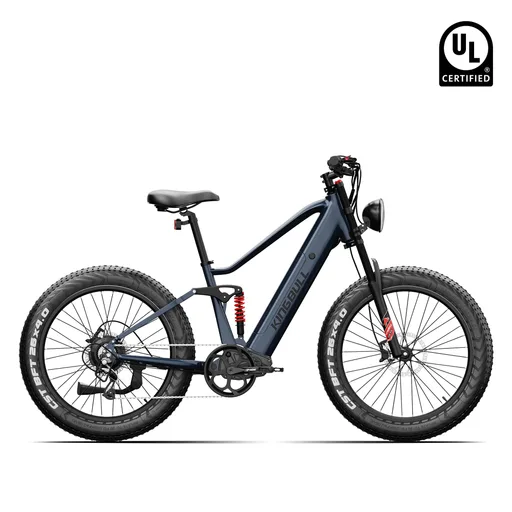
The Kingbull Rover 2.0 stands out with its 1300 W peak motor, a figure that exceeds the 80 Nm median torque of its class. It is a mountain e-bike with a 720 Wh battery and a 36.3 kg weight. At 1299 USD, it undercuts the median price of 1499 USD for its type. This bike suits riders who want high peak power and a lower price, but it makes trade-offs in battery capacity and weight.
You get a 45 km/h top speed and a 181.4 kg max payload, which is generous for carrying gear. The battery is 17% below the median for its class, and the weight is 5% above the median. The estimated range is 41 km, which is 16% below the median of 49 km. This bike fits riders who prioritize peak motor power and price over maximum range and lighter weight.
What the numbers say
| Spec | This bike | Median for its type |
|---|---|---|
| Battery | 720 Wh | 864 Wh |
| Weight | 36.3 kg | 34.5 kg |
| Torque | not listed | 80 Nm |
| Estimated range | 41 km | 49 km |
| Price | 1299 USD | 1499 USD |
Answers to common questions
How much does it weigh?
The Kingbull Rover 2.0 weighs 36.3 kg. That is 5% above the median weight of 34.5 kg for its class. The extra weight can make it harder to lift or handle at low speeds.
How much torque does it have?
The motor torque is not listed in the brief. The median torque for this type is 80 Nm, but we cannot compare this bike's torque to that figure. You should ask the manufacturer for the torque specification if it matters to you.
What speed class is it?
The speed class is not listed. The top speed is 45 km/h, but the class depends on local regulations. Check with the seller or your local authority to confirm the class.
How far does it really go?
The manufacturer claims 97 km, but our estimated range is 41 km, which is 58% below the claim. The estimate uses a formula: battery capacity divided by consumption under a reference ride. That ride assumes Tour assist, rolling terrain, mild weather, brisk pace, and an 80 kg rider. It is not a measurement. Use the range calculator to see how your own conditions might change the estimate.
What does it cost to run?
The price is 1299 USD, which is 13% below the median of 1499 USD. Running costs depend on electricity prices and how you charge. We do not have consumption figures to calculate a precise cost per charge. Try the cost calculator to estimate running costs based on your own electricity rate.
Where it falls short
The Kingbull Rover 2.0 makes a clear trade-off: it offers high peak power and a low price, but it has a smaller battery and a heavier frame than the median for its class. The 720 Wh battery is 17% below the median of 864 Wh, and the 36.3 kg weight is 5% above the median of 34.5 kg. The estimated range of 41 km is 16% below the median of 49 km. These numbers mean you may need to charge more often and handle a heavier bike.
Who should buy it
This bike suits riders who want strong peak power and a lower price, and who can accept a shorter estimated range and a heavier build. It is for you if you prioritize motor performance over long-distance range. Consider it if you ride shorter trips and can handle the weight.
- You want a high peak power motor for tackling steep climbs or carrying loads, and you do not need the longest range.
- You are on a budget and want to spend less than the median price for this type of e-bike.
- You need a high max payload for carrying gear or a passenger, and you can manage the heavier weight.
Look elsewhere if you need a longer estimated range, a lighter bike, or a larger battery. The 41 km estimate and 36.3 kg weight may not suit riders who plan long tours or need to lift the bike often. Also, if you require a known torque figure or speed class, this bike does not publish them. Consider a bike with a battery closer to the 864 Wh median and a weight nearer 34.5 kg.