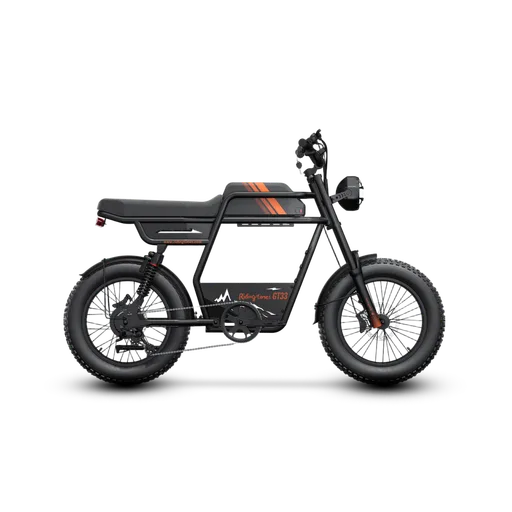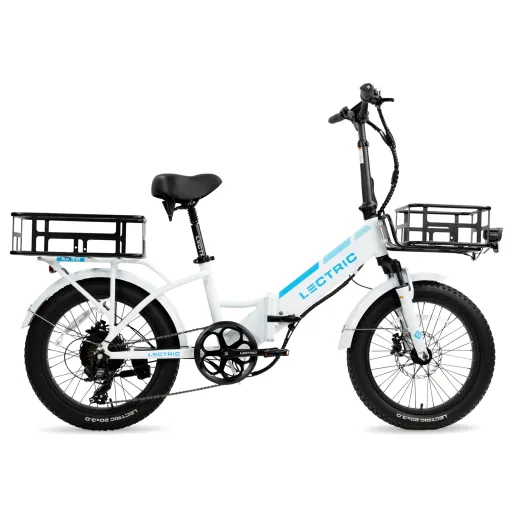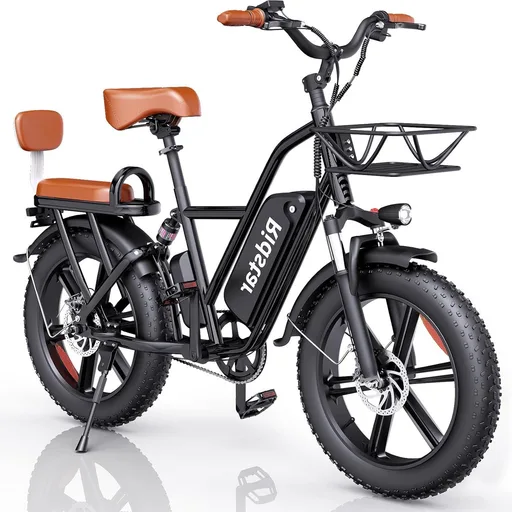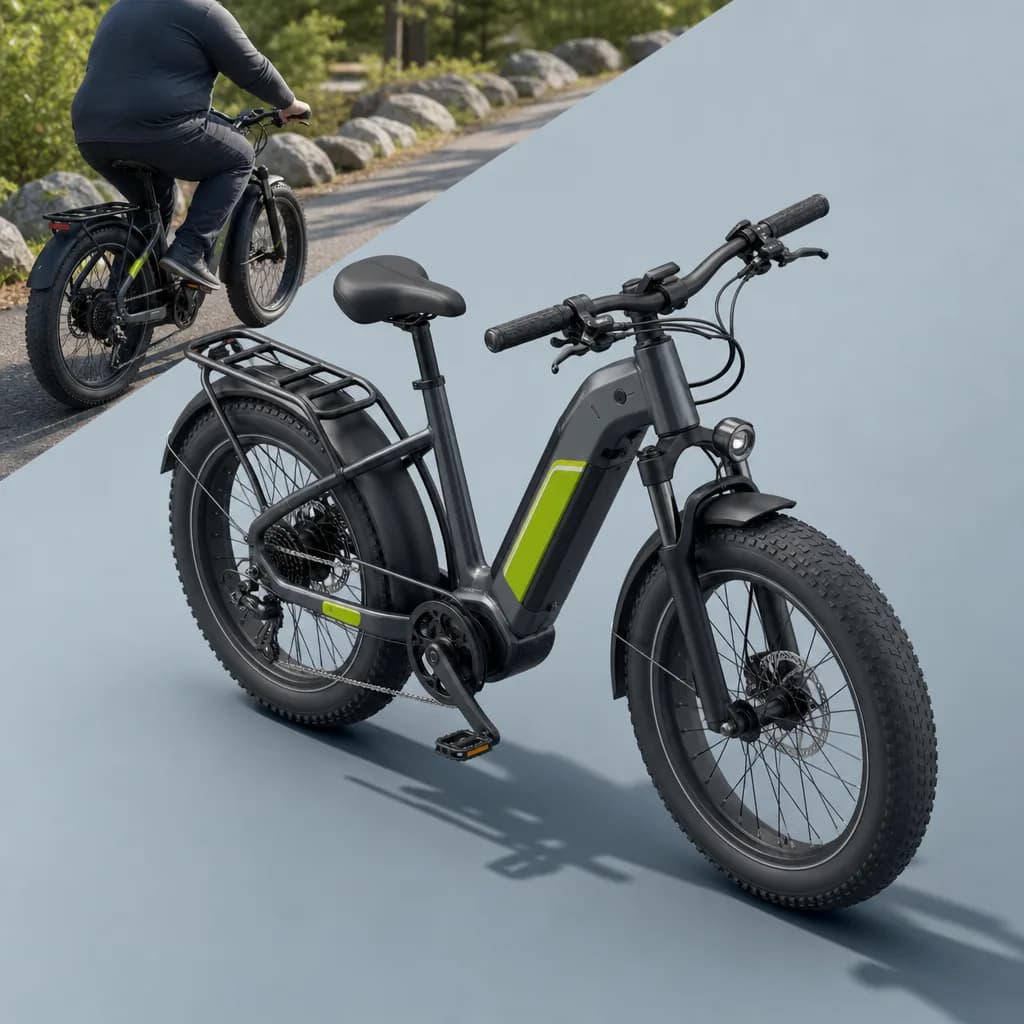
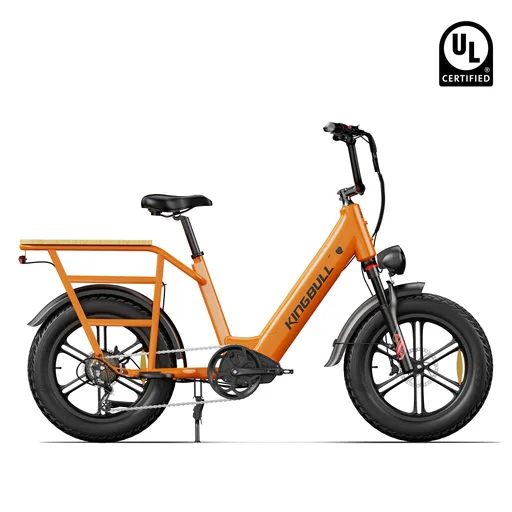
The Kingbull Voyager 2.0 carries a 204.1 kg maximum payload. That figure is the one that sets it apart from most cargo e-bikes in the database. It pairs that capacity with a 720 Wh battery and a 750 W rated motor. This is a heavy-duty cargo bike built for hauling, not for light errands.
You get a 48 V, 15 Ah battery and a throttle as standard. The bike is not foldable, and the step-through frame is not published. It suits riders who need to move heavy loads regularly and who can handle a 39.9 kg bike. It is less suited to anyone who needs to carry it up stairs or store it in a tight space.
What the numbers say
| Spec | This bike | Median for its type |
|---|---|---|
| Battery | 720 Wh | 720 Wh |
| Weight | 39.9 kg | 36.3 kg |
| Torque | not listed | 80 Nm |
| Estimated range | 46 km | 48 km |
| Price | 1199 USD | 1499 USD |
Questions people ask about this model
How much does the Kingbull Voyager 2.0 weigh?
It weighs 39.9 kg. That is 10% above the median for cargo e-bikes, which is 36.3 kg. The extra weight is the price you pay for a 204.1 kg payload. Plan for storage and lifting accordingly.
How much torque does it have?
Motor torque is not listed for this bike. The median for its type is 80 Nm, but without a published figure for the Voyager 2.0 you cannot compare them. Ask the manufacturer if torque matters to your route.
What speed class is it?
The speed class is not listed. The top speed is 45 km/h, but that alone does not tell you the class. Check local rules before you buy if you plan to ride on public roads.
How far does it really go?
The manufacturer claims 97 km. The MathBikes estimate is 46 km, which is 53% below the claim. That estimate comes from a formula: battery capacity divided by consumption on one reference ride. Use the range calculator to see how your own route and assist level change the figure.
What does it cost to run?
The price is 1199 USD, which is 20% below the median of 1499 USD for its type. Running costs depend on your electricity price and how often you charge the 720 Wh battery. The battery is level with the class median, so charging costs should be typical for a cargo e-bike. Use the cost calculator to work out your own figure.
Where it falls short
The main trade-off is weight against payload. At 39.9 kg it is 10% heavier than the median cargo bike. That makes it harder to lift, park and store. The 46 km estimated range is also 4% below the class median of 48 km, so long cargo trips will need planning. And the 53% gap between the claimed and estimated range is large, so treat the claim with caution.
Who should buy it
Buy it if you need maximum payload at a below-median price. The 204.1 kg capacity and 1199 USD price are the strongest reasons. The 750 W rated motor and throttle add to its hauling ability. It suits riders who value capacity over light weight.
- You regularly carry loads close to 204.1 kg and need a bike rated for it.
- You want a cargo e-bike at 1199 USD, which is 20% below the median.
- You have ground-level storage and do not need to lift the bike.
Look elsewhere if you need a light cargo bike or a long estimated range. The 39.9 kg weight and 46 km estimate may not suit you. Also check the speed class and warranty, which are not listed, before you commit.