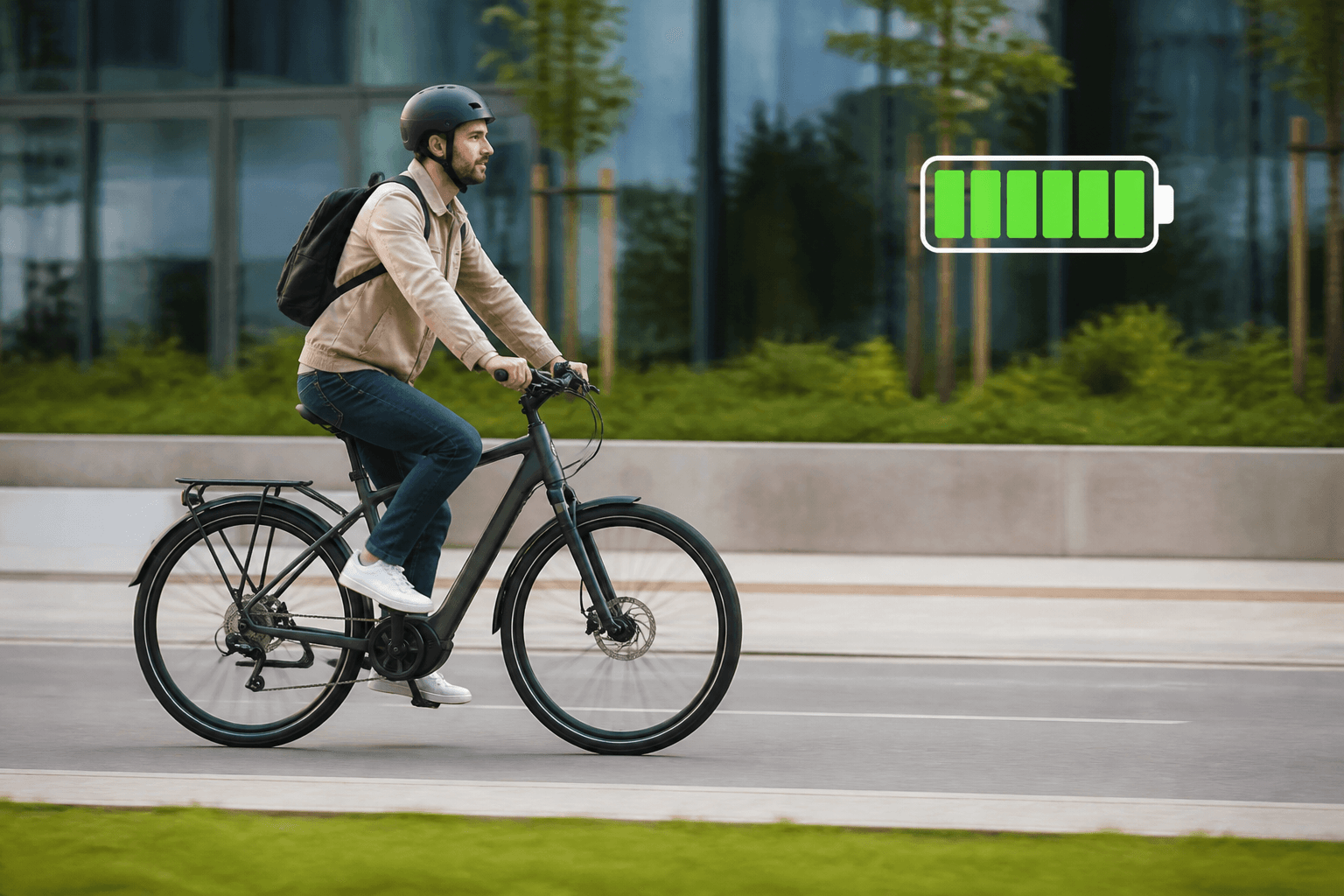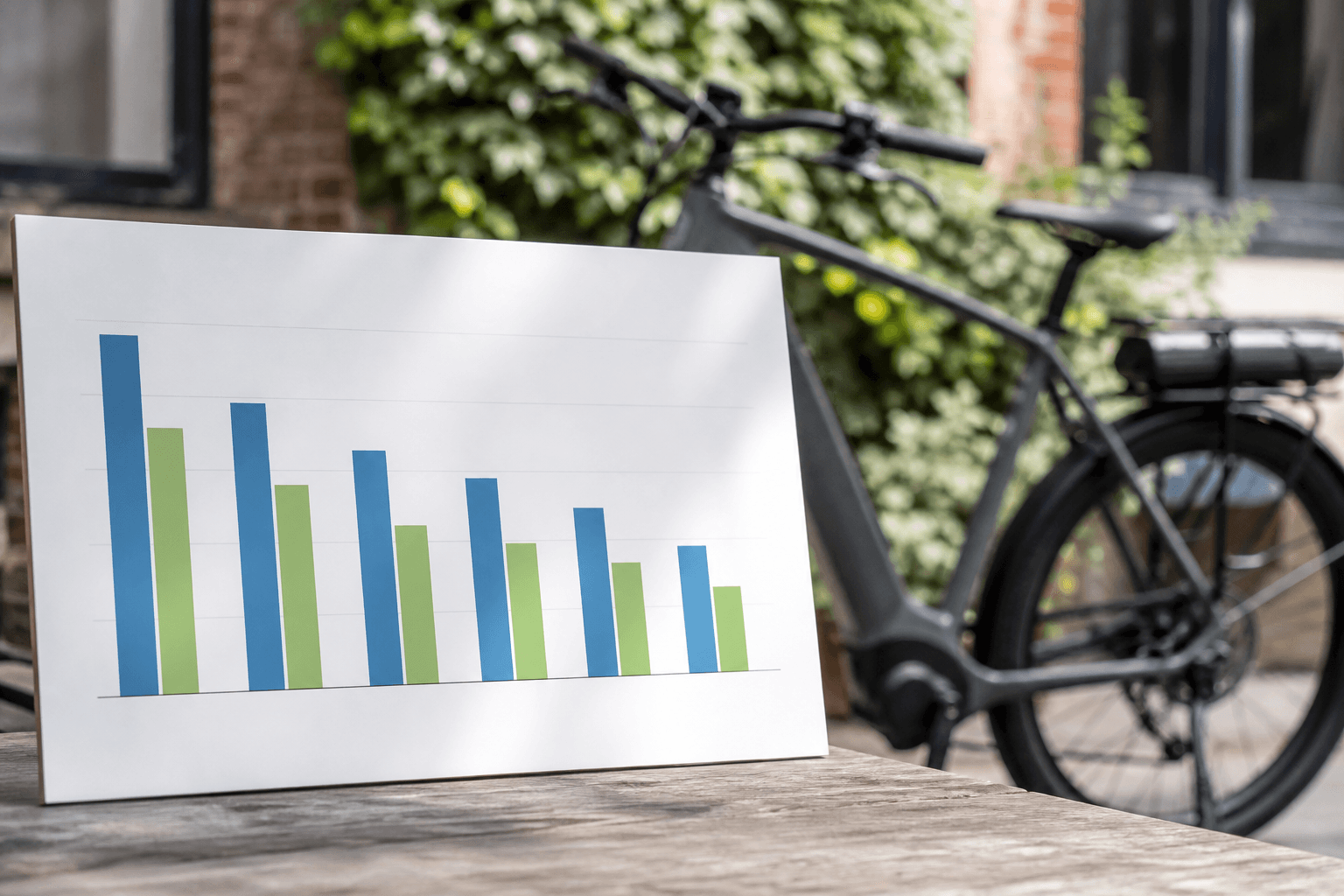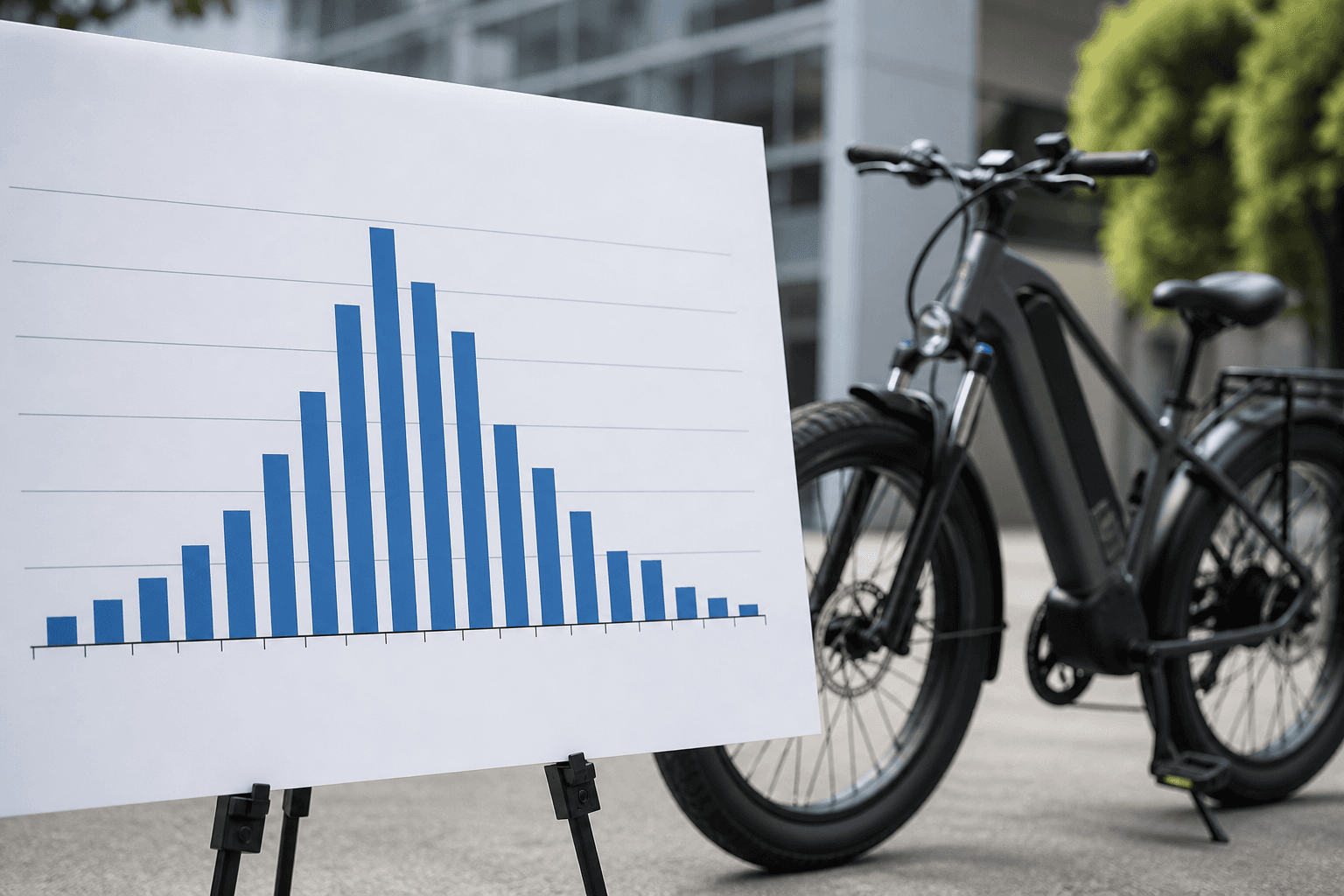

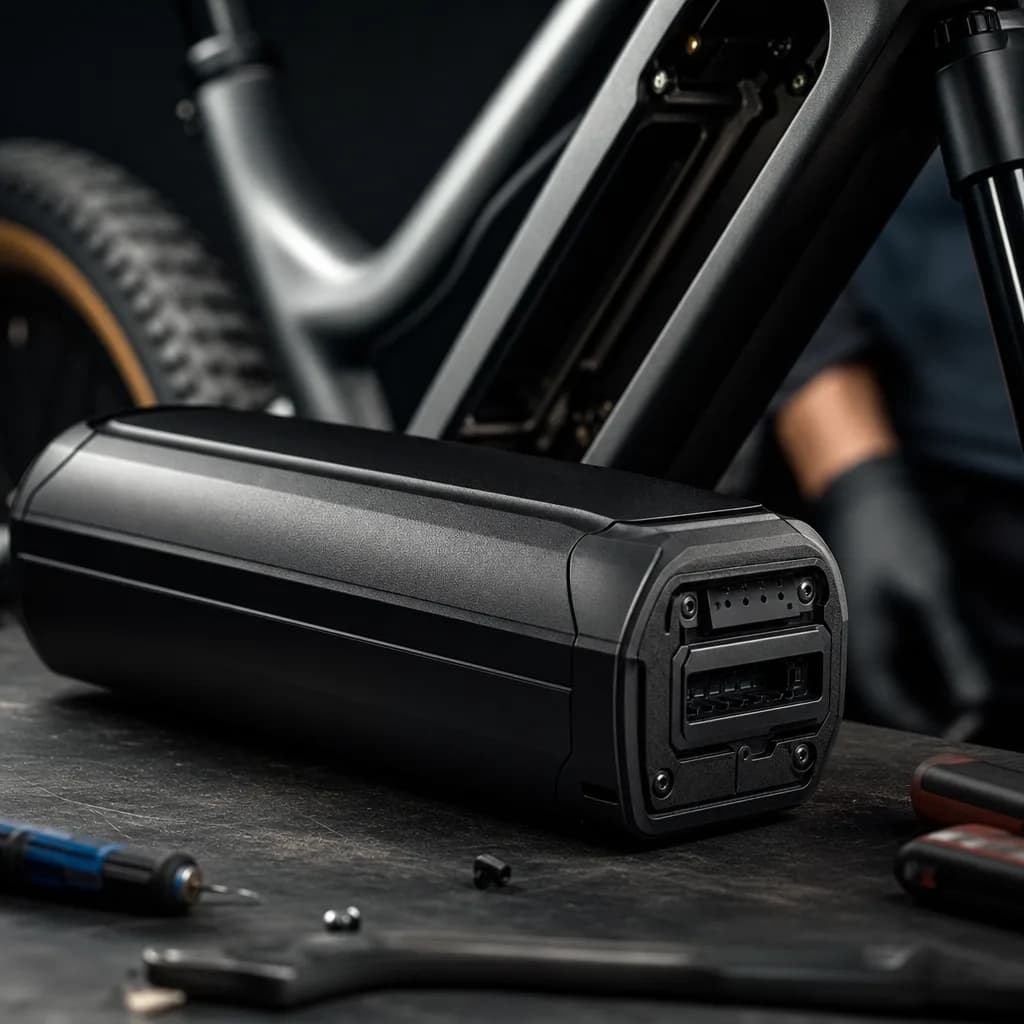
An e-bike battery replacement typically costs between 230 EUR and 1728 EUR, depending on capacity. The median battery in our catalogue is 720 Wh, and at 1.2 EUR per Wh, that pack costs 864 EUR. But the right number for you depends on your bike's battery size and how you ride. This guide gives you the real figures and the tools to budget accurately.
Why Battery Replacement Costs Vary
The price of a replacement battery scales almost directly with its capacity in watt hours. Our published formula uses 1.2 EUR per Wh, so a 374 Wh pack like the one in the Fiido D3 Pro costs 449 EUR, while the 1440 Wh pack in the Troxus Trax Plus costs 1728 EUR. That is a wide spread, and it explains why a cheap bike can still have an expensive battery.
Battery chemistry matters too. Lead-acid batteries are cheaper upfront but heavier and shorter-lived. Lithium-ion dominates the market because it packs more energy per kilogram. Our catalogue covers 275 bikes from 37 brands, and every one of them uses lithium-ion. When you replace, stick with the same chemistry unless you upgrade the whole system.
Brand and proprietary design also affect price. Some bikes use standard battery mounts, others need a specific pack from the manufacturer. That limits your options and can push the price up. Before you buy, check whether third-party replacements exist for your model.
| Battery capacity | Replacement cost |
|---|---|
| 192 Wh | 230 EUR |
| 374 Wh | 449 EUR |
| 522 Wh | 626 EUR |
| 720 Wh | 864 EUR |
| 1040 Wh | 1248 EUR |
| 1440 Wh | 1728 EUR |
When to Replace Your E-Bike Battery
Batteries wear out with use. Our formula assumes a life of 800 full charge cycles. On a median bike, that translates to 38400 km of ordinary riding. If you ride 3000 km a year, you will reach that in about 12 years. But most riders replace earlier because range drops as the battery ages.
The clearest sign is reduced range. If your bike used to cover 48 km on a charge and now struggles to do 30 km, the battery is fading. You might also notice the charge level drops faster than before, or the battery takes longer to charge. These are normal aging signs.
Cold weather makes things worse. At freezing temperatures, a 720 Wh battery that gives 48 km of ordinary range in mild conditions drops to 40 km. That is a 20 percent loss. If you ride in winter, factor that into your expectations.
Do not wait until the battery dies completely. A dead battery can leave you stranded, and some batteries fail suddenly. Replace when range no longer meets your needs, not when the bike stops moving.
How to Calculate Your Battery Replacement Budget
Start with your battery's capacity in watt hours. Multiply that by 1.2 to get the replacement cost in EUR. For a 720 Wh battery, that is 864 EUR. For a 374 Wh pack, it is 449 EUR. The table above gives more examples.
Next, estimate how often you will need a replacement. Divide 800 by your annual full cycles. If you ride 3000 km a year and your ordinary range is 48 km, that is about 62 full cycles a year. So a battery lasts roughly 12 years. But if you ride harder, your range drops, and you cycle more often.
Your total cost of ownership includes more than the battery. Over five years, a median bike costs 1642 EUR in total. Charging is only 63 EUR, servicing is 600 EUR, and the bike is worth 316 EUR at the end. The battery replacement is a big part of that total.
How to Extend Battery Life and Delay Replacement
The biggest factor is how much energy you use per km. Our formula shows that Eco mode uses 7 Wh per km on flat ground, while Turbo on steep hills uses 20 Wh per km. That is nearly three times the consumption. Ride in a lower assist mode and you will drain the battery slower, which means fewer cycles per km.
Terrain and tires matter too. A rolling route uses 25 percent more energy than a flat one, and a steep route uses 60 percent more. Knobby tires add another 25 percent. If you ride off-road, expect shorter range and more cycles.
Your weight also plays a role. For every 5 kg above 80 kg, consumption rises by 1 percent. That is small, but it adds up over thousands of km. Cold weather is a bigger factor, cutting range by 20 percent.
Charging habits matter. Avoid letting the battery drop to zero regularly. Store it at partial charge in a cool place. These practices can stretch the battery toward the upper end of its 800-cycle life.
Should You Replace or Upgrade Your Battery?
If your battery is worn out, you have two choices: replace it with the same capacity or upgrade to a larger one. A larger battery gives more range, but it costs more and may not fit your bike. Check the physical dimensions and connector compatibility before you buy.
Consider your riding habits. If you rarely exceed 30 km per ride, a 374 Wh battery like the one in the Fiido D3 Pro might be enough. But if you commute 50 km each way, you need a bigger pack. The range calculator can show you what to expect from different capacities.
Upgrading can also affect the bike's weight and handling. A 1440 Wh battery adds significant weight. The Troxus Trax Plus, which has the largest battery in our catalogue, weighs 32.7 kg. That is fine for a city bike, but not ideal for a lightweight mountain bike.
How to Save Money on a Replacement Battery
The cheapest way to save is to buy the right size the first time. Do not overbuy capacity you will not use. A 522 Wh battery costs 626 EUR, while a 720 Wh costs 864 EUR. That difference of 238 EUR could cover a year of servicing.
Look for third-party batteries that match your bike's specifications. They often cost less than the brand's own pack. But verify the voltage, capacity, and connector. A mismatch can damage the motor or the battery management system.
Consider the total cost of ownership, not just the battery price. A cheap battery that lasts 400 cycles is worse value than a quality one that lasts 800. Our cost calculator can help you compare options over five years.
Choosing the Right Replacement Battery
Match the voltage and capacity to your bike's motor. Most e-bikes use 36V or 48V systems. Using the wrong voltage can cause immediate damage. The capacity in watt hours determines range, but it also affects weight and cost.
Check the physical size and mounting system. Some batteries slide into a rack, others bolt to the frame. The Hidoes C1, for example, has a 624 Wh battery and weighs 22.7 kg. If you replace it, you need a pack that fits the same mount.
Consider the battery's age. A new battery should deliver close to its rated capacity. But some sellers offer older stock at a discount. Ask about the manufacturing date. A battery that has sat on a shelf for two years may have lost capacity.
Finally, think about resale value. A bike with a fresh battery is worth more. Our formula shows a median bike after 5 years is worth 24 percent of its price. A new battery can boost that.
The True Cost of Battery Ownership
A battery is not a one-time expense. Over five years, the median bike costs 1642 EUR in total. That includes 63 EUR for charging, 600 EUR for servicing, and the battery replacement is part of the depreciation. The bike's resale value at the end is 316 EUR.
Compare that to driving. Riding 100 km a week instead of driving saves 1072 EUR a year. Over five years, that is over 5000 EUR. Even with a battery replacement, the e-bike is far cheaper.
But the battery is a significant chunk. If you buy a cheap bike like the Fiido D3 Pro at 399 USD, a 374 Wh battery replacement at 449 EUR is more than the bike's price. That is a hidden cost of budget e-bikes.
| Bike | Price (USD) | Battery (Wh) | Replacement cost (EUR) |
|---|---|---|---|
| Fiido D3 Pro | 399 | 374 | 449 |
| HITWAY BK15M | 700 | 720 | 864 |
| Velotric Nomad 1 | 1399 | 691 | 829 |
| Cyrusher Trident | 4499 | 1040 | 1248 |
When you budget for an e-bike, include a battery fund. Set aside a small amount each month so the replacement does not hit you all at once. The cost of ownership calculator can show you the monthly equivalent.
What to Do Next
Check your battery's capacity in watt hours. It is usually printed on the side. Multiply by 1.2 to get the replacement cost. Then estimate your annual riding distance and use the range calculator to see how many cycles you use per year.
If your battery is more than 5 years old or shows signs of fading, start planning for a replacement. Compare prices from the manufacturer and third-party sellers. Make sure the new battery is compatible with your bike.
Finally, use the cost of ownership calculator to see the full picture. It includes charging, servicing, and resale value. That will tell you whether replacing the battery is worth it or whether it is time for a new bike.
Frequently asked questions
How much does an e-bike battery replacement cost?
Replacement packs run about 1.2 EUR per watt hour. For a median 720 Wh battery, that is 864 EUR. Smaller packs cost less: a 374 Wh battery is 449 EUR, while a 1440 Wh pack is 1728 EUR.
When should I replace my e-bike battery?
Replace when range drops noticeably or the battery no longer holds a charge. Batteries last about 800 full charge cycles. On a median bike, that is 38400 km of ordinary riding. Cold weather and hard riding reduce range and life.
Can I extend my e-bike battery life?
Yes. Ride in Eco mode on flat ground to use less energy per km. Avoid full discharges and extreme temperatures. Store at partial charge. These habits can delay replacement.
Is it better to replace or upgrade my battery?
If your bike accepts a larger battery, upgrading can increase range. But check compatibility and cost. A larger pack costs more per Wh. Use the range calculator to see if the upgrade meets your needs.
How do I budget for a battery replacement?
Plan for a replacement after 800 cycles. Estimate your annual km, then use the cost of ownership calculator to see total costs. A replacement pack is a significant part of five-year ownership.