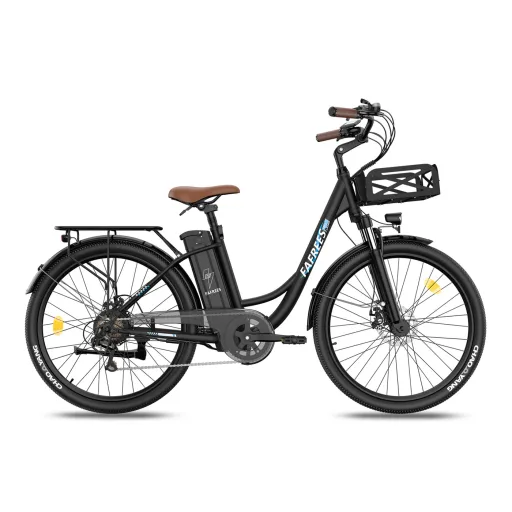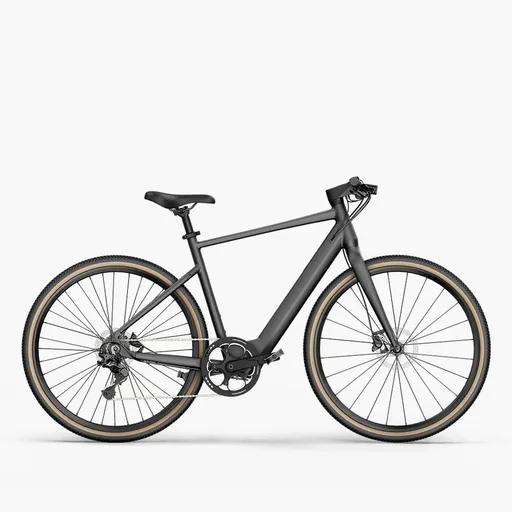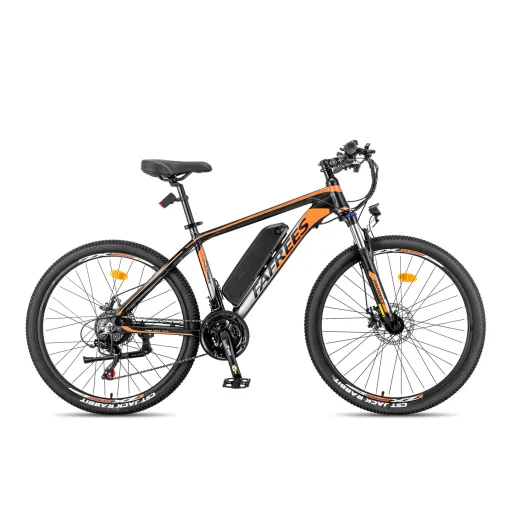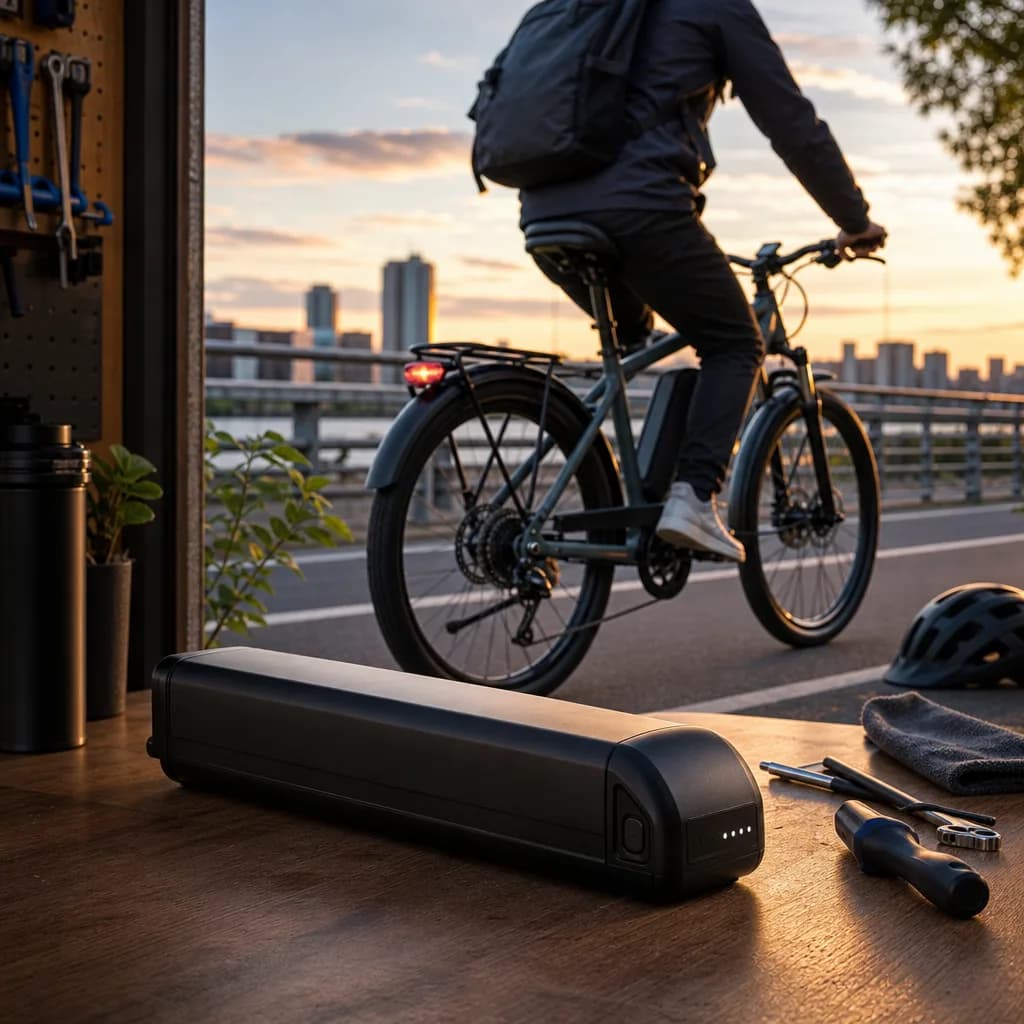
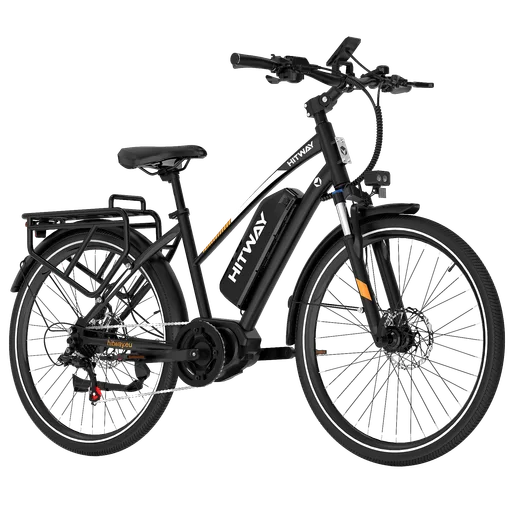
The HITWAY BK-U1 is a city e-bike with a 468 Wh battery. That is 25% below the median for its type, which is 624 Wh. It weighs 27.4 kg, 1% above the median of 27 kg. Its estimated range is 34 km, 24% below the class median of 45 km.
This bike suits short urban trips. You get a 250 W motor and a 25 km/h top speed. The price is 0 USD, which is not comparable to the median price of 1299 USD. If you need long range or light weight, look elsewhere.
What the numbers say
| Spec | This bike | Median for its type |
|---|---|---|
| Battery | 468 Wh | 624 Wh |
| Weight | 27.4 kg | 27 kg |
| Torque | not listed | 50 Nm |
| Estimated range | 34 km | 45 km |
| Price | 0 USD | 1299 USD |
What people ask about the HITWAY BK-U1
How much does it weigh?
The HITWAY BK-U1 weighs 27.4 kg. That is 1% above the median for its type, which is 27 kg. The difference is small, but the bike is still heavy for a city e-bike. You may need to plan where you park it.
How much torque does it have?
The motor torque is not published. The median torque for this type is 50 Nm, but we cannot compare this bike to that figure. Without a torque rating, you cannot judge its climbing ability from the specs alone.
What speed class is it?
The speed class is not published. The top speed is 25 km/h, which is typical for a city e-bike. You should check local rules to see how that top speed is classified.
How far does it really go?
The manufacturer claims 180 km. Our estimate is 34 km, with a band of 30 to 38 km. That is 81% below the claim. The estimate uses a formula, not a test ride. You can try the range calculator to see how different inputs change the estimate.
The formula assumes Tour assist, rolling terrain, mild weather, a brisk pace and an 80 kg rider. It is the same for every bike on the site. Real range will vary with your weight, route and assist level.
What does it cost to run?
The price is 0 USD, so the purchase cost is not comparable to the median of 1299 USD. Running costs depend on your electricity price and how often you charge. The battery is 468 Wh, so each full charge uses about that much energy. You can use the cost calculator to work out your own running costs.
Where it falls short
The biggest shortfall is range. The estimated range is 34 km, which is 24% below the class median of 45 km. The manufacturer claim of 180 km is 81% higher than our estimate. That gap matters if you plan longer trips.
The battery is also small for its class. At 468 Wh, it is 25% below the median of 624 Wh. A smaller battery means more frequent charging. The bike is not cargo capable, so you cannot add capacity that way.
Who should buy it
This bike suits riders who make short trips and want a simple city e-bike. The low price is the main draw. The 250 W motor and 25 km/h top speed are fine for urban riding. But you must accept the limited range and heavy weight.
- You ride less than 34 km between charges and can charge at home or work.
- You want a bike with a 150 kg maximum payload, which is high for its type.
- You are on a tight budget and the 0 USD price is the deciding factor.
Look elsewhere if you need more than 34 km of estimated range. Also look elsewhere if you want a lighter bike, since 27.4 kg is above the median. And if you need published torque or warranty details, this bike does not provide them.