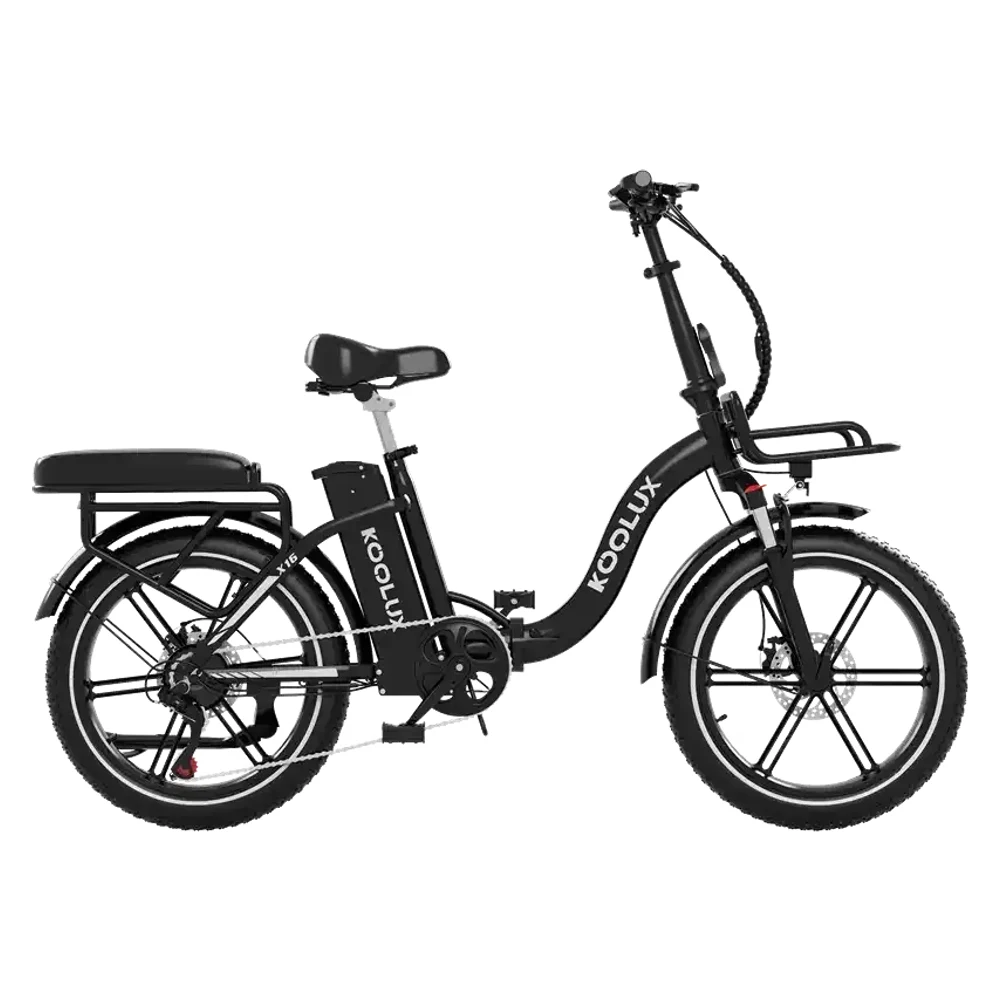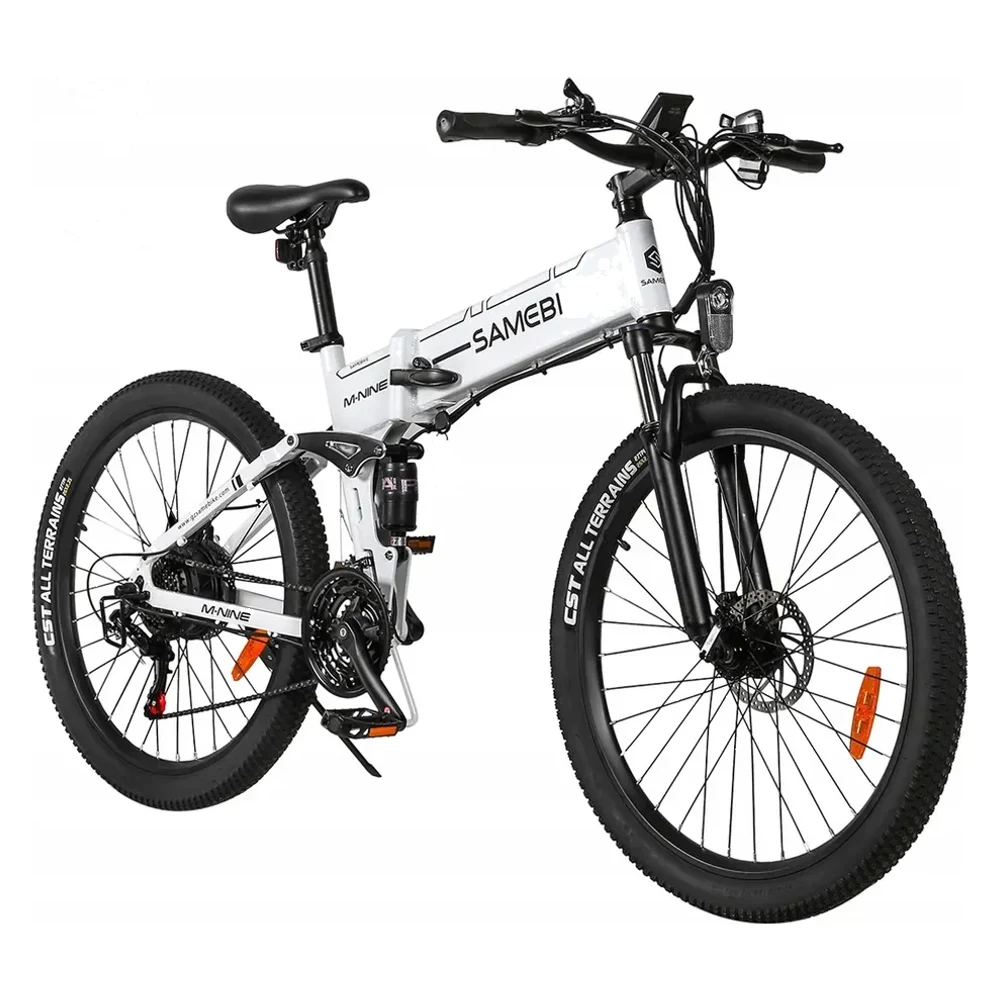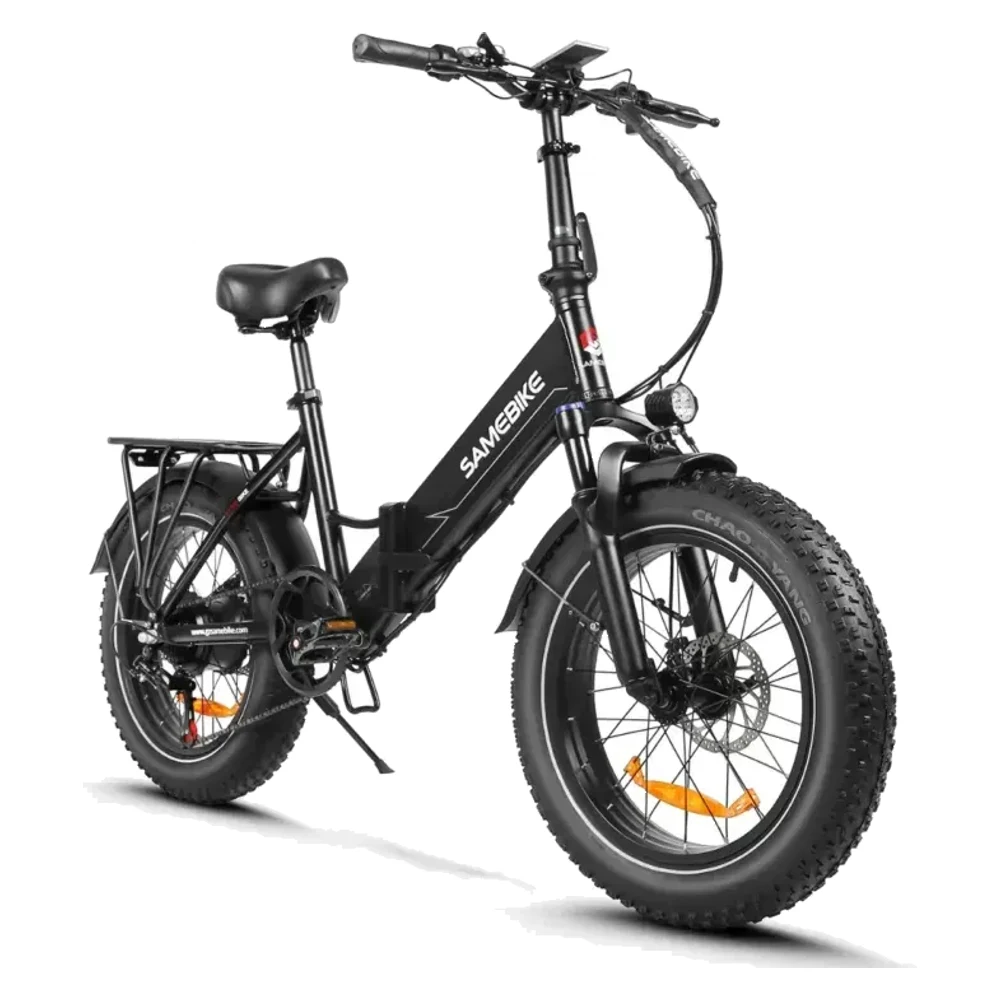
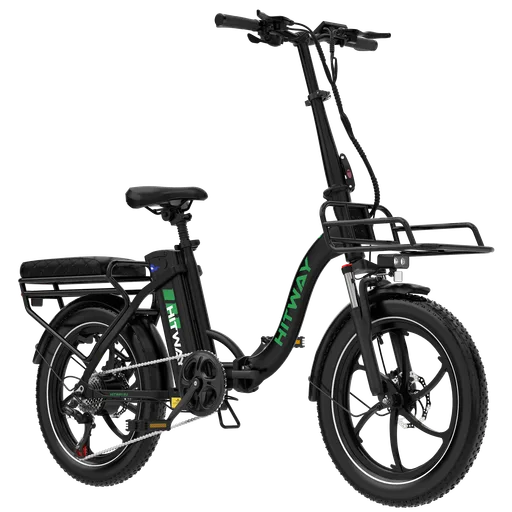
The HITWAY BK6S L1 is a folding e-bike with a 561.6 Wh battery. That capacity sits 16% below the median for folding e-bikes in our database. It weighs 29 kg, which is 3% above the median. So this bike trades battery size for a lower weight than many of its peers, but not by much.
You might choose this bike if you want a folding frame and a motor with 55 Nm of torque. That torque is 2% above the median for its type. The estimated range is 41 km, which is 15% below the median. So it suits shorter trips rather than long-distance riding. It also has a 250 W motor and a top speed of 25 km/h.
What the numbers say
| Spec | This bike | Median for its type |
|---|---|---|
| Battery | 561.6 Wh | 672 Wh |
| Weight | 29 kg | 28.1 kg |
| Torque | 55 Nm | 54 Nm |
| Estimated range | 41 km | 48 km |
| Price | 0 USD | 1049 USD |
Answers to common questions
How much does it weigh?
The HITWAY BK6S L1 weighs 29 kg. That is 3% above the median weight for folding e-bikes, which is 28.1 kg. So it is slightly heavier than a typical folding e-bike. You may notice the extra weight when lifting it.
How much torque does it have?
It has 55 Nm of torque. The median for its type is 54 Nm, so it is 2% above the median. That torque helps with starts and small inclines. It is not a high-torque motor for steep hills.
What speed class is it?
The speed class is not published. The top speed is 25 km/h. That is the assisted limit. You should check local rules for where you ride.
How far does it really go?
The manufacturer claims 150 km. Our estimate is 41 km, with a band of 36 to 45 km. That is 73% below the claim. The estimate uses a formula, not a test ride. You can try the range calculator to see how your own route might change it.
What does it cost to run?
The price is 0 USD, so it is not comparable to the median price of 1049 USD. Running costs depend on your electricity rate and how often you charge. The battery is 561.6 Wh, or 15.6 Ah at 36 V. Use the cost calculator to work out your own cost per charge.
Where it falls short
The main shortfall is range. The estimated range is 41 km, which is 15% below the median for folding e-bikes. The battery is 561.6 Wh, which is 16% below the median of 672 Wh. So you get less capacity and less estimated range than a typical folding e-bike. The weight is also 3% above the median, so it is not lighter to make up for it.
Who should buy it
You should buy this bike if you want a folding e-bike with above-median torque and you do not need long range. It suits short commutes and mixed trips where you fold the bike often. The 250 W motor and 25 km/h top speed meet common legal limits.
- You fold and unfold your bike several times a day and want a compact frame.
- Your typical trip is under 41 km and you can charge between rides.
- You want 55 Nm of torque for starts and gentle hills, and you accept the extra weight.
Look elsewhere if you need more than 41 km of estimated range or a lighter bike. The weight is 29 kg, which is 3% above the median. The battery is 16% below the median. If those numbers matter to you, compare other folding e-bikes with larger batteries and lower weight.