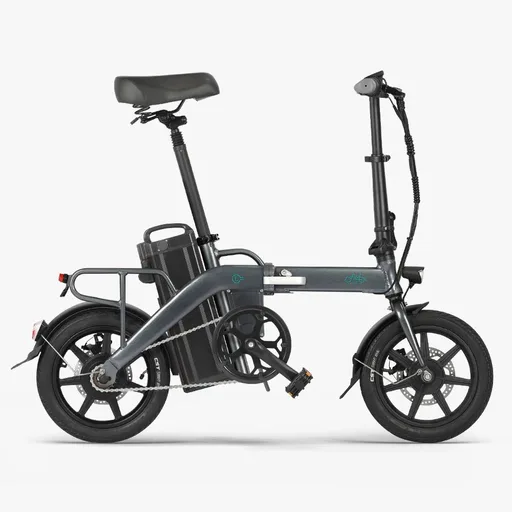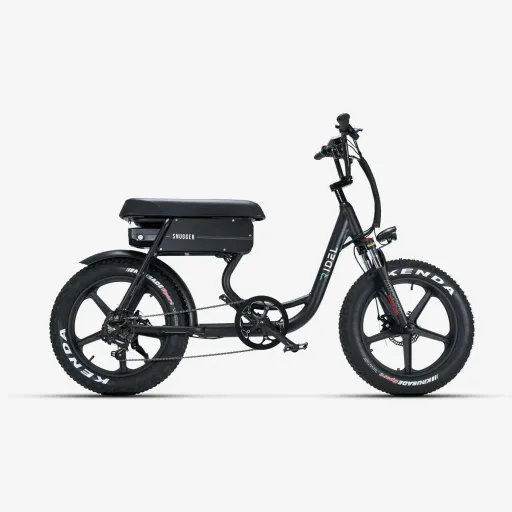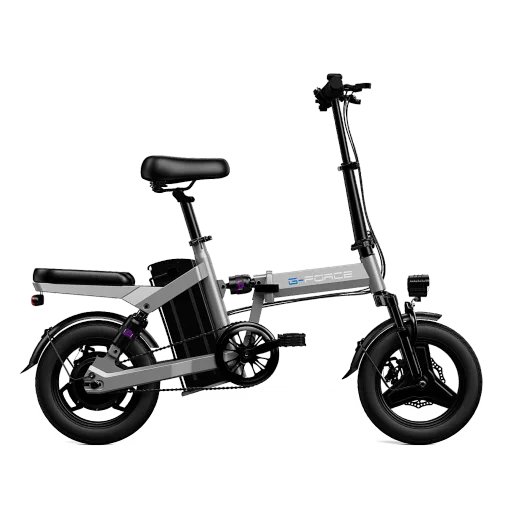
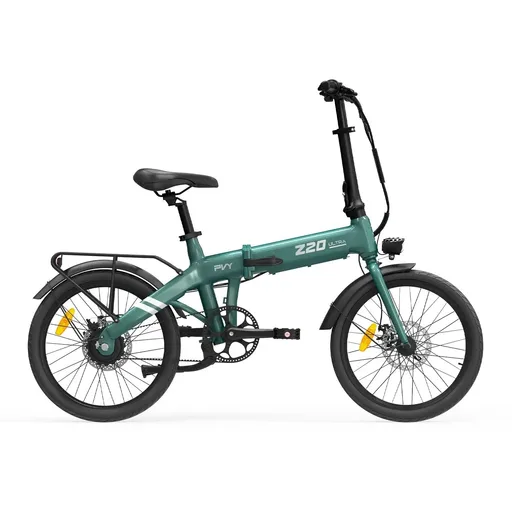
The PVY Z20 ULTRA is a folding e-bike with a 522 Wh battery. That capacity is 19% below the median for its class, which is 648 Wh. It weighs 21 kg, which is 25% below the median of 28.1 kg. So it trades battery size for lighter weight.
This bike suits riders who need to fold and carry it often. The lower weight helps there. But the smaller battery means less range than many rivals. It also costs 1599 USD, which is 50% above the median of 1068 USD. You pay more for less battery and less torque.
What the numbers say
| Spec | This bike | Median for its type |
|---|---|---|
| Battery | 522 Wh | 648 Wh |
| Weight | 21 kg | 28.1 kg |
| Torque | 40 Nm | 50 Nm |
| Estimated range | 38 km | 47 km |
| Price | 1599 USD | 1068 USD |
Questions people ask
How much does it weigh?
It weighs 21 kg. That is 25% below the median for folding e-bikes, which is 28.1 kg. So it is lighter than most in its class. That helps when you lift it into a car or carry it onto a train.
How much torque does it have?
It has 40 Nm of torque. The median for its class is 50 Nm, so it is 20% below. That means less climbing power than many rivals. On steep hills you will work harder.
What speed class is it?
The speed class is not listed. The top speed is 25 km/h. That is a common limit for e-bikes in many places. But without a speed class, you cannot be sure how it is regulated.
How far does it really go?
The manufacturer claims 120 km. Our estimate is 38 km, with a band of 34 to 43 km. That is 68% below the claim. The estimate uses a formula: battery capacity divided by consumption, under one reference ride. It is not a measurement. You can try the range calculator to see how different inputs change the figure.
What does it cost to run?
The price is 1599 USD. That is 50% above the median for its class, which is 1068 USD. Running costs depend on your electricity price and how you charge. The battery is 522 Wh, so a full charge takes about that much energy plus losses. Use the cost calculator to work out your own cost per charge.
Where it falls short
The main trade-off is battery capacity against weight. You get a lighter bike, but you give up range. The estimated range is 38 km, which is 19% below the median of 47 km. The torque is also lower, at 40 Nm against a median of 50 Nm. And the price is higher, at 1599 USD against a median of 1068 USD. So you pay more for less battery and less torque.
Who should buy it
This bike is for riders who prioritise low weight and folding size over range and power. It suits short trips where you need to carry the bike. It does not suit long rides or steep hills.
- You fold and carry your bike daily, and 21 kg is easier to manage than 28.1 kg.
- Your typical ride is under 34 km, so the estimated range is enough.
- You do not face steep hills, so 40 Nm is sufficient.
Look elsewhere if you need more range or more torque. The median estimated range is 47 km, and this bike gives 38 km. The median torque is 50 Nm, and this bike gives 40 Nm. Also consider the price: at 1599 USD, it is 50% above the median. If budget matters, there are cheaper options with more battery.